
Commercial Roofing & Waterproofing Minneapolis MN
Reliable Commercial Roofing for Minneapolis Properties
Protect your Minneapolis commercial property with expert roofing and waterproofing services engineered for Minnesota's extreme weather, heavy snow loads, and temperature cycling.
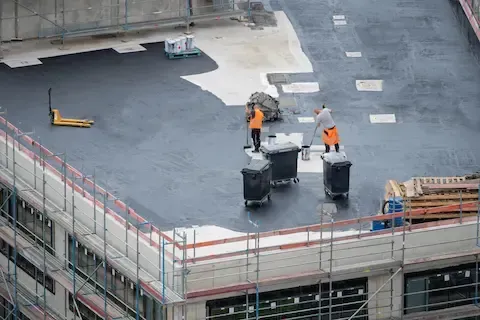
What's Included in our Commercial Roofing & Waterproofing service?
Flat Roof Installation
TPO, EPDM, and modified bitumen membrane roofing systems with proper insulation and drainage for Minneapolis commercial buildings facing heavy snow and ice.
Roof Repair & Leak Detection
Professional leak detection and repair services addressing ponding water, damaged membranes, flashing failures, and weather damage on commercial roofs.
Building Waterproofing
Complete waterproofing services for foundations, walls, plazas, and parking structures protecting Minneapolis commercial properties from water intrusion and freeze damage.

Proudly Serving Minneapolis and the Twin Cities Metro
Built for Minnesota Weather. Trusted by Minneapolis Businesses.
From downtown Minneapolis office towers to suburban commercial centers, from historic buildings in established neighborhoods to modern facilities in growing suburbs, we serve commercial properties throughout the metro area. Our local expertise means understanding regional building types, weather exposure challenges, and Minneapolis code requirements.
Proudly serving St. Paul, Bloomington, Eden Prairie, Minnetonka, Edina, St. Louis Park and Plymouth for 15+ years.
Frequently Asked Questions
Commercial Building Exteriors can be complex, and we’re here to provide answers to common questions. Here are some frequently asked questions from our clients.
Frequently Asked Questions about Commercial Building Exteriors
What should I look for in a commercial exterior contractor?
Choose contractors with proper Minnesota licensing and registration, comprehensive liability and workers compensation insurance (verify coverage), experience with commercial projects similar to yours, local references you can contact, detailed written proposals showing scope and costs, established business history (not fly-by-night operations), and knowledge of Minneapolis building codes and permit requirements. For specialized work like structural repairs or historic restoration, look for specific expertise in those areas. Avoid contractors pushing immediate decisions, requiring large upfront payments, or lacking proper insurance. Quality contractors welcome questions, provide thorough documentation, and have established reputations. The cheapest bid often becomes the most expensive—poor work requires correction costing far more than hiring quality contractors initially.
How do Minneapolis building codes affect commercial exterior work?
Minneapolis enforces state building codes with local amendments affecting exterior work. Key requirements include energy code compliance for renovations exceeding certain square footage, accessibility standards for entrances and ramps, structural requirements for additions or modifications, fire resistance for certain building types, and historic preservation requirements in designated districts. Work requires permits for most exterior projects—permits ensure code compliance and provide inspections verifying proper installation. Working without permits creates problems: inability to sell property, voided insurance claims, required removal of unpermitted work, and fines. Experienced contractors understand requirements, obtain necessary permits, and coordinate inspections as part of project delivery. Don't skip permits to save time or money—the risks far outweigh any perceived benefits.
Should exterior work be done in phases or all at once?
The answer depends on your situation. Advantages of comprehensive work include better pricing through economies of scale, consistent materials and appearance, single mobilization reducing costs, and immediate complete improvement. Phased work offers spreading costs over multiple budgets, testing contractor performance before full commitment, prioritizing worst problems first, and minimizing operational disruption in occupied buildings. For Minneapolis commercial properties, consider weather—completing entire projects in single construction season avoids winter interruptions. Multi-building campuses often phase by building. Critical repairs (roofing leaks, structural issues) shouldn't wait for comprehensive programs. We help clients evaluate options considering budget constraints, building needs, and operational requirements developing practical implementation plans.
How does Minnesota weather affect commercial exterior work?
Minnesota weather significantly impacts exterior work. Construction season runs April/May through October for optimal conditions—most materials require temperatures above 40-50°F for proper curing and installation. Concrete, masonry mortar, paints, and sealants all need favorable weather. Winter work is possible using heated enclosures and specialized materials but costs more and proceeds slower. Spring and fall create challenges with temperature fluctuations and precipitation. Summer provides optimal conditions but high demand from other projects. Plan exterior work for May-September when possible. Some repairs can't wait—we manage emergency work year-round using appropriate methods. However, planned renovations scheduled for favorable weather deliver best results and value. Work with contractors experienced in Minnesota conditions who understand weather requirements.
What exterior maintenance should commercial buildings perform regularly?
Regular maintenance extends building life and prevents expensive repairs. Annual tasks include cleaning gutters and drains before winter, inspecting roofs after major storms, checking caulking and sealants around windows and joints, examining masonry for deteriorating mortar, testing downspouts and drainage systems, removing debris from roof drains, and documenting building conditions with photos. Every 3-5 years, professional façade inspections identify developing problems requiring attention. Power washing removes dirt and mildew preventing staining. Repainting every 7-12 years protects surfaces. Tuckpointing every 30-40 years renews mortar joints. In Minneapolis's harsh climate, preventive maintenance costs a fraction of reactive repairs. Establish maintenance programs including scheduled inspections rather than waiting for obvious failures requiring expensive emergency responses.
How much should I budget for commercial exterior projects?
Costs vary tremendously by project scope and building size. Basic maintenance (power washing, minor repairs) might run $2,000-5,000 annually. Significant repairs (roof sections, localized masonry, window replacement) range $10,000-50,000. Major renovations (complete façade work, full roofing, comprehensive exterior) can reach $100,000-500,000+ for large buildings. Per-square-foot costs help planning: roofing $8-15/SF, façade renovation $20-50/SF, concrete flatwork $8-12/SF. However, every project is unique—building condition, materials, access difficulty, and code requirements all affect costs. Request detailed estimates from qualified contractors after thorough building evaluation. Consider lifecycle costs: quality materials and workmanship cost more initially but last longer and require less maintenance than cheap alternatives. Financing options may be available for major projects. Plan capital improvements based on professional building assessments rather than reacting to failures.
Frequently Asked Questions about Commercial Roofing & Waterproofing
What type of commercial roofing is best for Minneapolis?
For Minneapolis commercial buildings, membrane roofing systems perform best. TPO (thermoplastic polyolefin) offers excellent UV resistance, heat-welded seams preventing leaks, and white color reducing cooling costs. EPDM (rubber membrane) provides proven durability in temperature extremes and costs less than TPO. Modified bitumen works well for roofs with moderate traffic. All must be installed with adequate insulation (R-value 25-30 minimum) for Minnesota energy codes and proper drainage preventing ponding water. Avoid built-up roofing — difficult to repair and heavy. Metal roofing works for sloped sections. The critical factors are experienced installation, proper drainage design, and insulation levels appropriate for Minneapolis heating loads.
How long do commercial roofs last in Minneapolis?
Commercial flat roofs in Minneapolis typically last 15-25 years depending on materials and maintenance. TPO and EPDM membranes average 20-25 years with proper care. Modified bitumen runs 15-20 years. Minnesota's harsh climate—extreme temperatures, UV exposure, freeze-thaw cycles, and snow loads—stresses roofs more than mild climates. Regular maintenance significantly extends lifespan: bi-annual inspections, keeping drains clear, addressing small problems immediately, and protecting from traffic damage. Neglected roofs fail prematurely. Metal roofing lasts 30-40+ years but costs more initially. When evaluating roof life, consider maintenance requirements and warranty terms, not just initial cost. Quality installation matters as much as materials.
What's involved in building waterproofing?
Building waterproofing addresses multiple areas. Below-grade waterproofing protects foundations with membranes, drainage boards, and perimeter drains managing groundwater. Above-grade waterproofing includes wall weather barriers, window and door flashing, expansion joint sealing, and penetration sealing preventing rain infiltration. Specialized applications include plaza deck waterproofing (traffic-bearing membranes), parking structure waterproofing (protecting occupied space below), and roof waterproofing (primary building protection). Each area requires different materials and techniques appropriate for exposure conditions. Minneapolis buildings need particular attention to freeze-thaw durability. Comprehensive waterproofing addresses all vulnerable areas systematically rather than reactive spot repairs—a building is only as waterproof as its weakest point.
Should I repair or replace my commercial roof?
Replace roofs with widespread damage, roofs past 75% of expected lifespan, roofs with systemic problems (poor drainage, inadequate insulation), or when repair costs exceed 50% of replacement cost. Repair makes sense for localized damage, newer roofs with isolated problems, roofs with substantial remaining life, or when budget constraints require temporary solutions. Minnesota considerations include ice dam damage (often repairable unless widespread), storm damage (evaluate extent carefully), and ponding water (may need structural modifications better addressed during replacement). A professional assessment determines whether repairs will provide acceptable service life or if replacement offers better value. Don't repeatedly repair failing roofs—replacement becomes more economical.
What is the difference between commercial roofing and building waterproofing?
Roofing addresses the horizontal top surface of the building. Waterproofing addresses every other path water can take into the structure: below-grade foundation walls, above-grade wall assemblies, expansion joints, plaza and parking decks, and every penetration through the envelope. They are different trades using different materials for different exposure conditions, and a building can have a perfect roof while taking on water through failed wall flashing or an unsealed joint. In Minneapolis the two interact constantly because freeze-thaw drives water into any gap and then expands it. Treating them as one system matters: we look at where water is actually entering rather than assuming a roof leak, since interior damage frequently appears far from the true entry point.
Can a green roof work on a Minneapolis commercial building?
Yes, though structure decides it before anything else. Extensive green roof systems with shallow growing medium add meaningful dead load, and that load has to be evaluated against the existing structure alongside Minnesota snow load, which is the binding constraint on most Twin Cities buildings. Where the structure carries it, green roofs perform well here: they moderate membrane temperature swings, extend membrane life, manage stormwater, and can support sustainability targets. The waterproofing beneath needs to be a system rated for vegetated assemblies with root barrier and leak detection, because locating a leak under growing medium later is genuinely difficult. Ongoing maintenance is a real commitment, not optional. We start with a structural feasibility review before designing anything.
How do you find a leak on a flat commercial roof?
Rarely by looking where the water appears inside, because water travels along deck flutes, insulation seams and structural members before it drops. The process starts with the likely failure points: flashing at parapets, HVAC curbs and penetrations, lap seams, drain assemblies and termination bars, which together account for the large majority of commercial roof leaks. Where visual inspection does not resolve it, infrared scanning identifies wet insulation beneath the membrane by its differing heat retention, which maps the saturated area rather than the single visible symptom. Electronic leak detection and controlled flood testing are options on some assemblies. Finding the actual entry point matters because patching where the ceiling stained usually fixes nothing.
How often should a commercial roof be inspected in Minneapolis?
Twice a year at minimum, plus after any significant storm. Fall inspection before the first hard freeze is the critical one, because any defect left open going into winter gets widened by every freeze-thaw cycle and repair access disappears once surfaces ice over. Spring inspection catches the damage winter caused: ice dam effects at perimeters, membrane fatigue from thermal cycling, and drainage blocked by debris. Roofs older than fifteen years, roofs that leaked the previous winter, and roofs that took hail or high wind warrant closer attention. Documented inspection history also matters practically, since insurers frequently want evidence of maintenance when a storm damage claim is filed.
Can a commercial roof be replaced while the building stays open?
Yes. Commercial reroofing is normally done in sections so only part of the roof is open at any time, and each day's work area is dried in before crews leave. Occupants notice noise and vibration, particularly under mechanically attached systems where fasteners are driven into the deck, and odor where hot-applied or adhesive-based systems are used. Those are scheduling problems rather than closure problems: noisy operations can be moved to off-hours and adhesive work can be sequenced away from air intakes. Interior protection is needed under open areas, and rooftop mechanical units require coordination with your HVAC provider. Weather is the real constraint, since an open deck cannot be left exposed to a forecast storm.
What causes ponding water on a flat roof and does it need fixing?
Ponding means water standing more than about forty-eight hours after rain, and it points to inadequate slope, blocked or undersized drains, deflected deck, or compressed insulation. It does need addressing. Standing water adds concentrated load, accelerates membrane breakdown through constant saturation and UV exposure, promotes vegetation and debris accumulation, and in Minneapolis it freezes, which drives expansion damage into seams and flashings every cycle. Minor cases are solved by clearing drains and adding supplementary drainage. Persistent ponding usually requires tapered insulation to build positive slope toward drains, which is most economically done during a scheduled replacement rather than as a standalone repair. Ignoring it reliably shortens the roof's service life.
Start Your Exterior Project Today
What Our Satisfied Clients Have to Say About Minneapolis Commercial Exteriors
We pride ourselves on delivering great results and experiences for each client. Hear directly from home and business owners who’ve trusted us with their Commercial Building Exteriors needs.

Our 80-year-old building needed complete façade renovation. The team handled everything: masonry restoration, new windows, waterproofing, even structural reinforcement we didn't know was necessary. They respected our tight timeline and budget constraints while never compromising quality. The building looks fantastic and we've already noticed lower heating costs this winter.
Robert Chen - Property Owner
After a severe storm damaged our storefront and canopy, they responded immediately with temporary protection and a detailed repair plan. Within two weeks, we had a completely remodeled entrance that looks better than the original. Their crew was professional, the site stayed clean, and they worked around our business hours minimizing tenant disruption.
Lisa Morrison - Facilities Manager
We hired them for concrete repair in our parking lot and they identified roofing and masonry problems we hadn't noticed. Rather than just doing what we asked, they provided a comprehensive assessment helping us prioritize repairs intelligently. Their honesty and expertise have made them our go-to contractor for all exterior work across our commercial properties.
James Patterson - Owner
Comprehensive Commercial Building Exteriors Services in Minneapolis
Tailored to Your Needs
From downtown high-rises to suburban office parks, we deliver complete commercial exterior solutions across Minneapolis—transforming building facades, protecting against Minnesota weather, and enhancing property value.
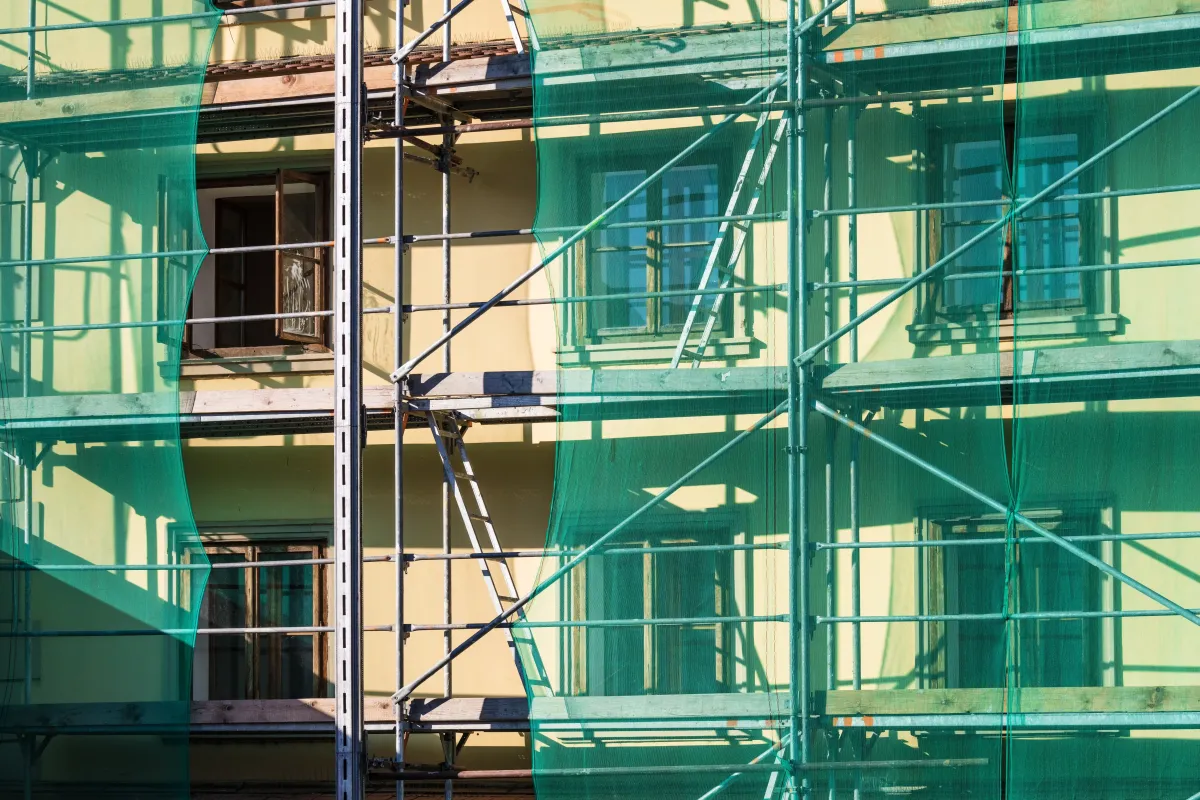
We renovate commercial building facades across Minneapolis, from historic brick restoration to modern panel system upgrades.
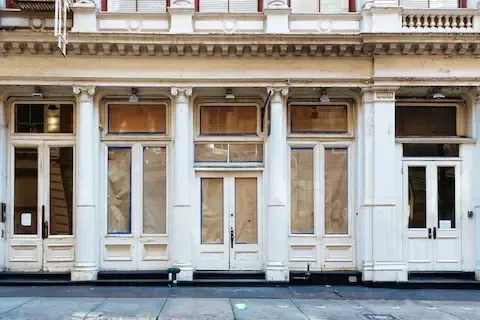
Our storefront remodeling services create attractive, functional commercial entrances that withstand Minneapolis weather while making strong first impressions.
We install and repair commercial roofing systems across Minneapolis, specializing in flat and low-slope roofs designed for Minnesota snow loads.
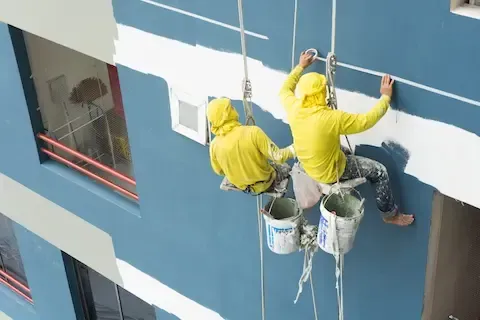
Our commercial painting services deliver durable, attractive finishes protecting Minneapolis buildings while maintaining professional appearance.
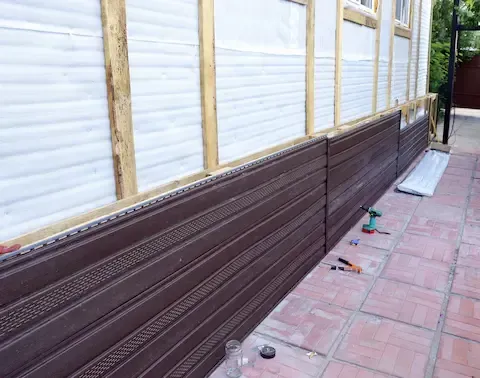
We install and repair commercial siding systems across Minneapolis, delivering weather-resistant solutions that reduce maintenance and energy costs.
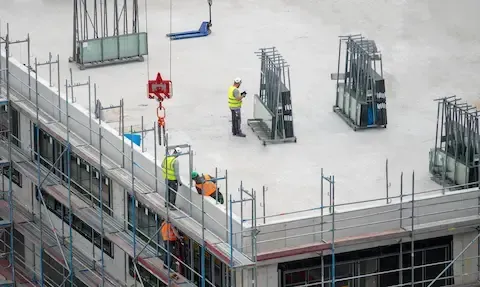
Our window and door replacement services improve energy performance and appearance while reducing operating costs for Minneapolis commercial buildings.
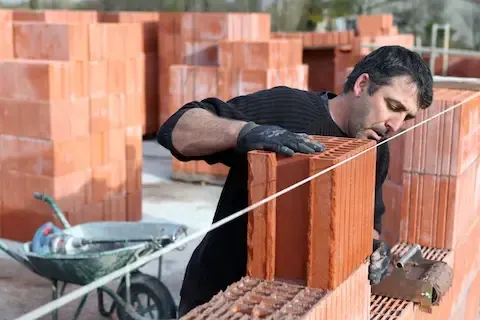
Our masonry specialists repair and restore commercial building brick and stone throughout Minneapolis, protecting structures from Minnesota's demanding climate.
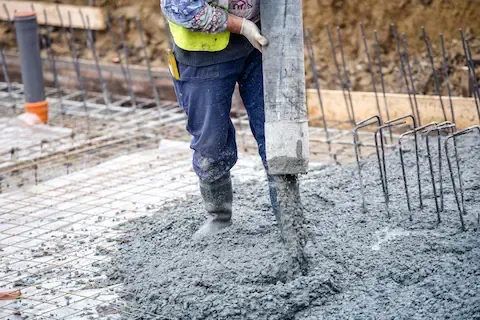
We install and repair commercial concrete flatwork across Minneapolis, from sidewalks and curbs to loading pads and building perimeter work.
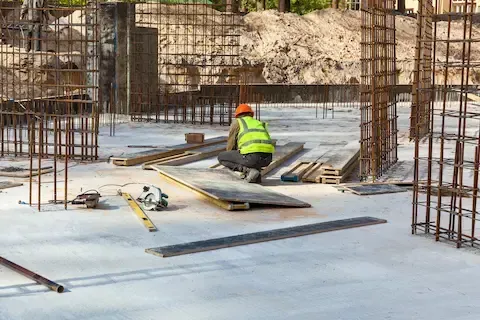
Our structural repair services address foundation settlement, wall cracks, beam failures, and other serious concerns affecting Minneapolis commercial buildings.
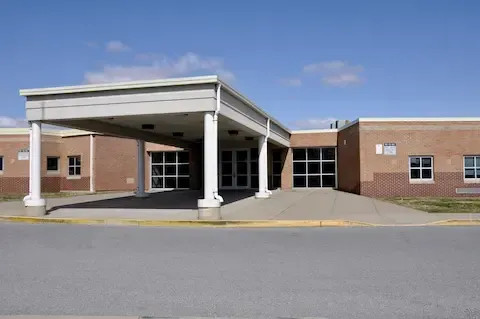
We design and install commercial canopies and covered entrances throughout Minneapolis, combining weather protection with attractive architectural features.
Get Started with Minneapolis Commercial Exteriors.
Contact Us Today
The Trusted Commercial Building Exteriors Expert Near You
Ready to hear more about expert services at Minneapolis Commercial Exteriors?
Contact us today to receive a detailed, no-obligation quote.
More About Commercial Roofing & Waterproofing
We share helpful articles about to answer common questions, explain options, and give a better sense of what to expect. Whether you’re taking care of your own home or responsible for a larger property, these resources are meant to make planning and decision-making a little easier.


Minneapolis Metro, MN
Monday-Friday: 9am-5pm, Saturday: 11am-3pm