Why Minneapolis Businesses Trust Local Facade Contractors
When a commercial building in Minneapolis shows signs of deterioration — cracked brick, failing sealants, water intrusion behind cladding — the contractor you hire makes all the difference. Facade work on commercial structures is not a commodity service. It requires precise knowledge of local building codes, seasonal construction windows, material performance in freeze-thaw conditions, and an established working relationship with the City of Minneapolis permit office. That combination of knowledge and accountability is exactly why so many building owners in the Twin Cities choose to work with local facade contractors rather than regional or national firms passing through.
What Sets Local Facade Contractors Apart in Minneapolis
Local contractors have spent years — often decades — working on buildings throughout Minneapolis neighborhoods like the North Loop, Uptown, Northeast, and the Central Business District. That experience translates directly into better project outcomes. A contractor who has worked on masonry buildings along Nicollet Mall or brick warehouses converted to commercial use in the Warehouse District understands the specific material characteristics, historical preservation considerations, and structural patterns common to those buildings. That institutional knowledge is not something a firm from out of state can replicate after a single site visit.
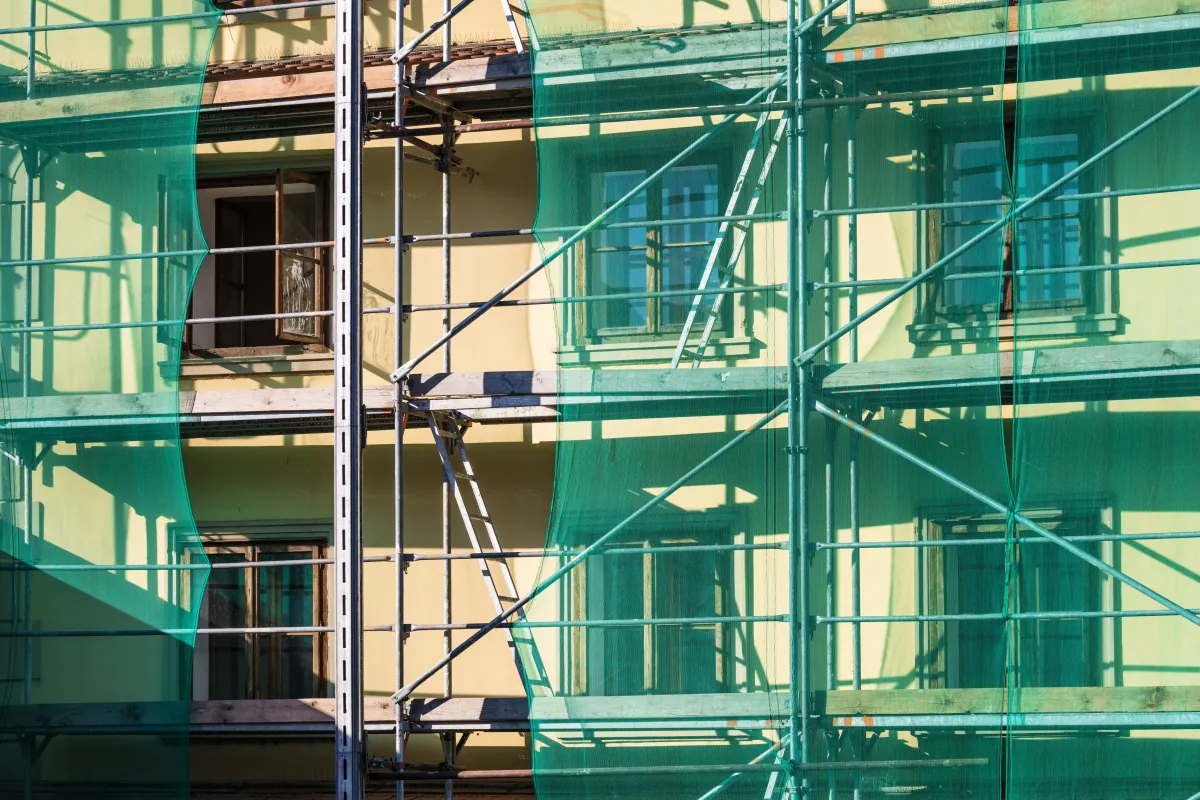
Beyond familiarity with building types, local contractors carry established relationships with Minneapolis permitting authorities. Facade renovation projects in the city often require coordination with the Minneapolis Department of Licenses and Inspections, street right-of-way permits for scaffolding and lifts, and in some cases review from the Heritage Preservation Commission for designated properties. Contractors who navigate these processes regularly know how to prepare complete submissions, anticipate reviewer questions, and avoid the delays that come from first-time missteps.
Climate Knowledge Is Not Optional in Minnesota
Minneapolis experiences some of the most demanding weather conditions in the continental United States. Temperatures swing from below negative twenty in January to above ninety in July. That range puts extraordinary stress on exterior building materials — masonry expands and contracts, sealants degrade faster than manufacturers' estimates suggest, and water infiltration during freeze-thaw cycles accelerates deterioration behind cladding systems that appear intact from the street.
A local facade contractor understands how to select and install materials that perform through Minnesota winters. This means choosing sealants rated for extreme temperature differentials, specifying mortar mixes appropriate for high freeze-thaw exposure categories, and timing installation phases to avoid work during conditions that compromise material adhesion and curing. These are not theoretical concerns — they are lessons learned on actual projects in Minneapolis, where the consequences of poor material selection or improper installation timing become visible within one or two winter cycles.
For building owners considering Façade Renovation, working with a contractor who has demonstrated performance across multiple Minneapolis winters is one of the most reliable indicators of long-term project success.
Accountability and Reputation in a Regional Market
One practical advantage of hiring locally is straightforward: local contractors have reputations to protect. A firm based in Minneapolis or the surrounding metro area cannot walk away from a poorly executed project without consequence. Their next client may be a property manager who works in the same building association, a developer who shares a network with your property management team, or a business owner on the same commercial corridor. That accountability shapes how local contractors approach every project, from initial estimating to final closeout documentation.
National firms operating in Minneapolis on a project-by-project basis do not carry the same reputational exposure. When work is complete and the crew has moved to the next market, the relationship effectively ends. If warranty issues arise six months later — sealant failure, flashing problems, mortar joints that did not bond correctly — reaching the right decision-maker can become difficult. A local contractor with an established office and long-term client relationships handles callbacks differently, because those relationships are part of their ongoing business.
Understanding Minneapolis-Specific Permitting and Code Requirements
Facade renovation in Minneapolis involves more regulatory touchpoints than many building owners anticipate. Work affecting the structural components of a facade typically triggers building permit requirements. Projects involving scaffolding or aerial lifts in public right-of-way require separate permits from the city's Public Works department. Buildings listed on the Minneapolis Heritage Preservation Commission inventory, or located within a designated historic district, may require design review before permits are issued.
Local contractors who regularly work in Minneapolis have processed these permit packages many times. They know which documentation the permit office expects, how long review cycles typically run, and how to structure phased work to keep projects moving while inspections are scheduled. This operational fluency reduces delays and helps building owners plan around realistic construction timelines rather than optimistic estimates that do not account for local process realities.
For a detailed look at how project scope and local conditions affect overall investment, the commercial facade renovation cost guide provides a useful breakdown of the factors that drive pricing on Minneapolis commercial exterior work.
Material Sourcing and Subcontractor Networks
Local contractors also bring established relationships with regional material suppliers and specialty subcontractors. For masonry repairs on older commercial buildings in Minneapolis, finding matching brick or limestone often requires sourcing from specific regional suppliers who carry reclaimed or period-appropriate materials. A contractor without local sourcing relationships may default to materials that are available but visually inconsistent with the existing facade — a problem that becomes obvious and expensive to correct.
The same applies to specialty subcontractors. Waterproofing, structural steel repair, roofline detail work, and historic tuckpointing all involve trades where local expertise matters. A local facade contractor who regularly works in Minneapolis has vetted subcontractors they trust, who understand local code requirements and who have performed reliably on similar projects across the metro area.
Building Owner Perspective: What to Look for in a Local Contractor
When evaluating facade contractors for a Minneapolis commercial project, prioritize demonstrated local experience over general company size. Ask for project references from Minneapolis or the immediate metro area, specifically for work involving comparable building types and facade systems. Request documentation of familiarity with the permit process, and ask directly how the contractor handles warranty claims and post-project callbacks.
A contractor who can name specific Minneapolis neighborhoods where they have completed projects, who understands the Heritage Preservation Commission process, and who can speak to material performance in Minnesota's climate is demonstrating exactly the kind of local knowledge that protects your investment over the long term. That combination of technical competence, regulatory fluency, and community accountability is what trust in a local contractor actually looks like — and why it continues to matter to Minneapolis building owners making significant decisions about their commercial properties.
