What Does a Commercial Facade Renovation Cost in MN?
Commercial facade renovation costs in Minneapolis typically range from $15 to $75 per square foot, depending on materials, building size, and scope of work. A modest storefront refresh with new cladding and updated trim might run $20,000–$60,000, while a full multi-story exterior overhaul can exceed $500,000. Minnesota's freeze-thaw climate, local permitting requirements, and scaffolding logistics all affect final pricing. Understanding the key cost drivers before you budget helps you avoid surprises and choose materials that hold up through harsh winters.
What Factors Drive Commercial Facade Renovation Costs in Minneapolis?
Several variables determine what you'll pay for a commercial exterior project in Minnesota. Building height is one of the largest cost multipliers—every additional story requires more scaffolding, lifts, and labor time. Material choice is equally significant. Brick restoration costs less per square foot than full panel replacement with metal composite or glass curtain wall systems. The condition of the existing facade matters too: if the substrate beneath is water-damaged or structurally compromised, expect remediation costs to add 15–30% to your budget before new cladding ever goes up.
Local permit fees in Minneapolis and surrounding Hennepin County municipalities add to the total. Most commercial facade projects require a building permit and, for structures in historic districts like Downtown Minneapolis or the North Loop, review by the Heritage Preservation Commission. That process can extend your timeline and require specific approved materials, which are often more expensive than standard options.
What Are Typical Cost Ranges by Project Type?
Breaking costs down by project scope gives you a practical starting point for budgeting. Here are common ranges for commercial facade work in the Twin Cities market:
Storefront glass and entry replacement: $8,000–$35,000 for a single retail bay
Brick cleaning, tuckpointing, and sealing: $5–$12 per square foot
Stucco or EIFS replacement: $15–$30 per square foot installed
Metal composite panel (ACM) cladding: $25–$55 per square foot
Full curtain wall or glass facade system: $60–$120 per square foot
Signage band, canopy, and awning upgrades: $5,000–$40,000 depending on size and material
These figures reflect installed costs including labor, materials, and standard permitting. They do not include structural repairs, hazardous material abatement, or extensive interior protection work, which are quoted separately after inspection.
If you're planning a full exterior overhaul, reviewing your options with a qualified contractor early in the process pays off. Façade Renovation services in Minneapolis can help you evaluate material choices and develop an accurate scope before you commit to a budget.
How Does Minnesota's Climate Affect Material Costs?
Minneapolis experiences some of the most demanding freeze-thaw cycles in the continental United States, with temperatures swinging from below -20°F in winter to above 90°F in summer. This thermal stress eliminates certain materials from consideration entirely and raises the performance bar for everything else. Unsealed brick and improperly flashed cladding systems will fail within a few years, making upfront material investment the smarter long-term financial decision.
Specify materials with proven Minnesota track records: brick and masonry with high freeze-thaw resistance ratings, metal panel systems with thermal breaks, and silicone-based sealants rather than urethane where movement is expected. Labor costs also rise in Minnesota because installation windows are weather-dependent. Most contractors schedule exterior cladding and masonry work between April and October, compressing the season and increasing crew demand during peak months.
What Hidden Costs Should Minneapolis Building Owners Anticipate?
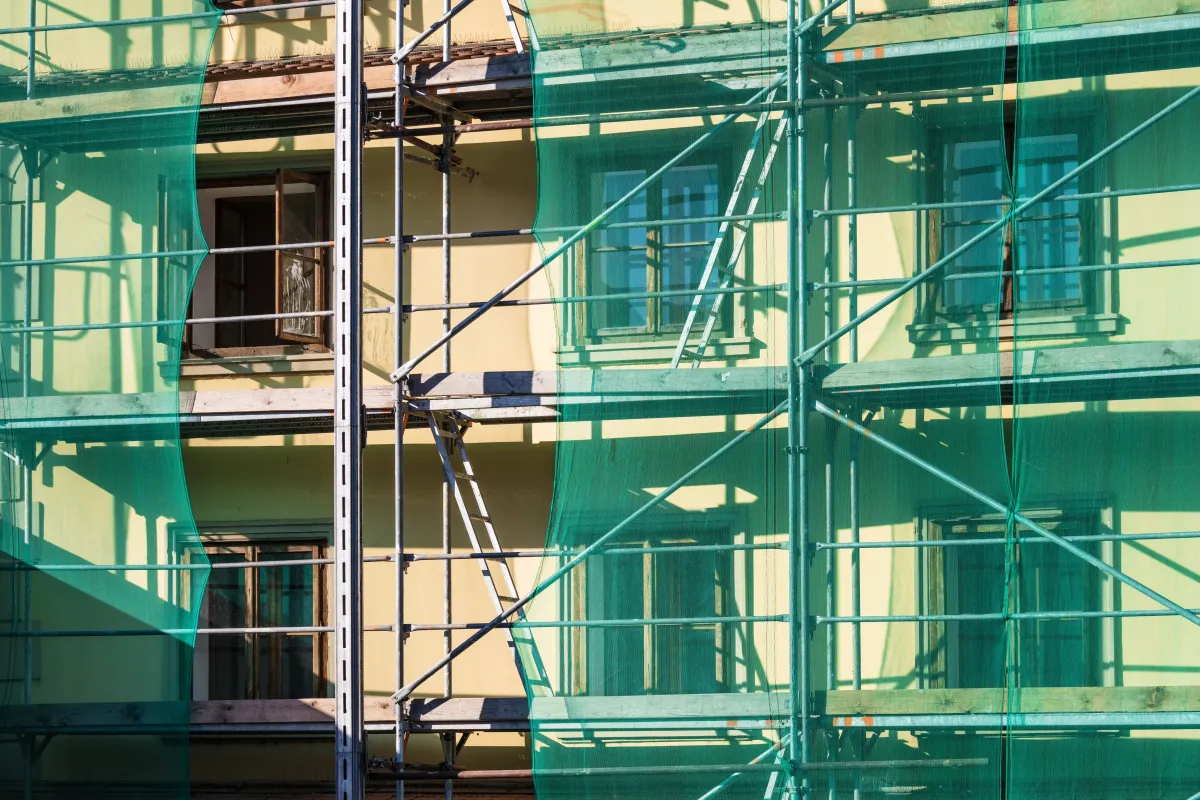
Several line items catch owners off guard on commercial facade projects. Scaffolding and public protection—sidewalk canopies, overhead netting, pedestrian barriers—can run $5,000–$25,000 for a mid-size building depending on sidewalk width and project duration. If your building was constructed before 1980, lead paint or asbestos-containing materials in the existing facade require licensed abatement before demolition, typically adding $3–$10 per square foot to project cost.
Utility coordination is another overlooked expense. Gas meters, electrical risers, and mechanical penetrations that terminate on the exterior facade must be temporarily relocated or protected during re-cladding. Coordinating with Xcel Energy or CenterPoint Energy adds both cost and schedule time. Finally, if your building is in a Business Improvement District or is part of a commercial corridor with design standards—common in areas like Uptown, Northeast Minneapolis, or St. Anthony Main—design review fees and required material upgrades may apply.
For a broader look at how storefront design choices affect renovation scope and pricing, see this overview of Minneapolis retail facade renovation projects and what they typically involve.
How Can Building Owners Control Costs Without Sacrificing Quality?
Phasing the project is the most effective cost management strategy for larger buildings. Addressing the most deteriorated or highest-visibility elevation first allows you to spread capital expenditure across multiple budget cycles while protecting the building from water intrusion in priority areas. Getting competitive bids from at least three licensed Minnesota commercial contractors—not just lowest price, but detailed scope comparison—helps you identify where estimates diverge and why.
Choosing materials with longer warranty periods and lower lifecycle maintenance costs also reduces total cost of ownership even when upfront price is higher. A metal panel system warrantied for 30 years outperforms cheaper alternatives that require re-sealing or replacement in 10–15 years, particularly given Minneapolis's demanding climate. Working with a contractor experienced in Minnesota commercial work ensures specifications are written for local conditions, not just national standards.
