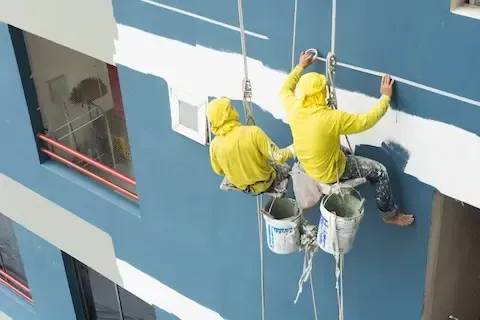
Summer Exterior Painting Tips for Minneapolis Businesses
Summer presents the optimal window for commercial exterior painting projects in Minneapolis, with extended daylight hours, stable weather patterns, and ideal temperature ranges. The season's low humidity and minimal precipitation create perfect conditions for paint adhesion and curing, making it the preferred time for business owners to refresh their building exteriors.
Understanding Minneapolis Summer Painting Conditions
Minneapolis summers offer a narrow but excellent window for exterior commercial painting, typically running from late May through early September. During this period, temperatures consistently stay between 50-85°F, which falls within the ideal range for most commercial-grade exterior coatings. The region's summer humidity levels, averaging 60-70%, provide sufficient moisture for proper paint flow while remaining low enough to prevent extended drying times.
Morning dew is common throughout Minneapolis summers, requiring careful timing of daily painting schedules. Most professional crews begin surface preparation around 9 AM once dew has evaporated and don't apply finish coats after 3 PM to ensure adequate drying time before evening moisture returns. Wind patterns during summer months are generally favorable, with consistent but gentle breezes that aid in paint drying without creating dust contamination issues.
Surface Preparation Requirements for Commercial Buildings
Commercial exterior surfaces in Minneapolis require thorough preparation before summer painting begins. Years of freeze-thaw cycles, UV exposure, and moisture infiltration create specific challenges that demand professional attention. Power washing is essential, typically performed 48-72 hours before painting to allow complete moisture evaporation from substrate materials.
Concrete and masonry surfaces often show efflorescence, white chalky deposits that emerge through seasonal moisture cycles. These deposits must be completely removed through acid washing or mechanical abrasion before primer application. Metal surfaces, particularly around HVAC equipment and structural elements, require rust treatment and specialized primer systems designed for Minneapolis's climate extremes.
Caulking and weatherproofing are the preparation steps most often skipped, and they largely decide how long the finish lasts. Experienced commercial exterior painting contractors in Minneapolis inspect and replace all exterior caulking before any coating goes on, paying particular attention to window frames, expansion joints and penetrations - the points where water infiltration begins during Minnesota winters.
Commercial Paint Selection for Minneapolis Climate
Paint selection for Minneapolis commercial buildings must account for extreme temperature swings, intense UV exposure during long summer days, and the freeze-thaw cycles that characterize the region's climate. High-quality acrylic latex paints formulated for northern climates provide the flexibility needed to withstand thermal expansion and contraction without cracking or peeling.
For masonry surfaces, elastomeric coatings offer superior performance in Minneapolis conditions. These thick, rubber-like coatings bridge hairline cracks and provide excellent waterproofing while maintaining vapor permeability. Metal surfaces benefit from direct-to-metal coatings that combine primer and finish coat properties, reducing application time during the short painting season.
Color selection impacts paint performance significantly in Minneapolis's intense summer sun. Lighter colors reflect heat and UV radiation, reducing thermal stress on both the coating and underlying substrate. Dark colors, while aesthetically appealing, absorb more heat and may require specialized formulations with enhanced UV stabilizers to prevent premature fading and chalking.
Project Timeline and Scheduling Considerations
Commercial exterior painting projects in Minneapolis require careful scheduling to maximize the favorable summer weather window. Most projects begin in early June when consistent dry weather patterns establish themselves and extend through August before fall moisture returns. Larger commercial buildings often require 4-6 week timelines, making early season starts essential for completion before weather deteriorates.
Daily scheduling revolves around moisture management, with most productive painting hours occurring between 10 AM and 4 PM. Morning preparation work includes surface cleaning, minor repairs, and primer application on previously prepared areas. Finish coat application typically occurs during peak afternoon hours when humidity levels are lowest and temperatures are stable.
Weather monitoring becomes crucial during summer painting projects, as afternoon thunderstorms can develop rapidly in the Minneapolis region. Professional contractors maintain detailed weather tracking and have contingency plans for protecting freshly painted surfaces from unexpected precipitation. This preparation often includes portable shelters and rapid-deployment covering systems.
Common Summer Painting Mistakes to Avoid
Temperature-related application errors represent the most frequent mistakes in Minneapolis commercial painting projects. Applying paint during excessive heat creates lap marks, brush marks, and poor leveling as solvents evaporate too quickly. Conversely, painting too early in the morning or late in the day when temperatures drop can prevent proper film formation and adhesion.
Substrate temperature often exceeds air temperature on sunny days, particularly on south and west-facing walls. Metal siding and concrete surfaces can reach temperatures exceeding 100°F even when air temperatures remain comfortable. Professional contractors use infrared thermometers to monitor surface temperatures and adjust application schedules accordingly.
Inadequate surface preparation represents another common error, particularly when project timelines feel compressed during the short Minneapolis painting season. Rushing through cleaning, priming, and repair phases inevitably leads to premature paint failure and costly reapplication within 2-3 years rather than the expected 7-10 year lifespan of properly applied commercial coatings.
Professional Considerations and Local Regulations
Minneapolis commercial painting projects must comply with local environmental regulations, particularly regarding volatile organic compound emissions and waste disposal. The city maintains strict guidelines for paint waste handling and requires proper disposal of contaminated materials through licensed waste management services.
Worker safety considerations intensify during summer projects due to elevated temperatures and increased UV exposure. OSHA heat stress protocols become mandatory when ambient temperatures exceed 85°F, requiring scheduled rest periods, hydration monitoring, and shade provisions for crew members. commercial exterior painting overview projects must incorporate these safety measures into project timelines and budgets.
Professional liability and insurance considerations change during summer months when weather-related delays become less common but heat-related application issues increase. Contractors must maintain detailed application logs documenting temperature, humidity, and surface conditions at the time of coating application to support warranty claims and ensure proper curing documentation.
Maximizing Long-Term Performance
Summer application provides the best foundation for long-term coating performance in Minneapolis's challenging climate. Properly applied summer coatings cure completely before facing their first winter freeze-thaw cycle, developing maximum adhesion and flexibility. This complete curing process significantly extends coating lifespan compared to fall applications that may not fully cure before winter temperatures arrive.
Post-application care during the remainder of the summer season impacts long-term performance substantially. New coatings require 30-60 days to reach full hardness and chemical resistance. During this period, avoiding pressure washing, chemical cleaners, and mechanical abrasion ensures optimal film development and maximum service life.
