Commercial Exterior Painting Services Guide Minneapolis
Understanding Commercial Exterior Painting Requirements in Minneapolis
Commercial exterior painting in Minneapolis presents unique challenges that require specialized knowledge of materials, weather patterns, and building codes. The extreme temperature fluctuations between Minnesota's harsh winters and humid summers demand paint systems specifically engineered for thermal expansion and contraction. Your commercial property's exterior coating serves as the primary defense against moisture infiltration, UV degradation, and structural damage that can compromise both aesthetics and building integrity.
Minneapolis commercial buildings face temperatures ranging from -30°F in winter to 90°F+ in summer, creating a 120-degree temperature swing that standard residential paints cannot withstand. This extreme climate necessitates high-performance coating systems with superior adhesion properties, flexibility ratings, and moisture resistance. Professional commercial exterior painting Minneapolis contractors understand these requirements and select products accordingly.
The Twin Cities metropolitan area's building density and architectural diversity also influence paint selection. Historic brick buildings require different approaches than modern steel and glass structures. Each substrate material demands specific primer systems and topcoat formulations to ensure maximum longevity and performance.
Climate-Specific Paint System Selection
Minnesota's continental climate requires paint systems with exceptional durability ratings. Acrylic latex systems with 100% acrylic binders provide the flexibility needed for thermal movement while maintaining excellent color retention. These formulations resist chalking and fading better than vinyl-acrylic alternatives, crucial for maintaining professional appearances in Minneapolis's intense UV exposure during summer months.
Elastomeric coatings offer superior performance for buildings with minor surface imperfections or hairline cracks. These thick-film systems bridge small gaps while providing waterproof barriers essential for protecting against Minneapolis's freeze-thaw cycles. However, elastomerics require careful application timing and cannot be applied when ambient temperatures drop below manufacturer specifications.
Alkyd-modified systems provide enhanced adhesion on previously painted surfaces and offer superior flow and leveling properties. These hybrid formulations combine the durability of oil-based systems with the environmental compliance and cleanup benefits of water-based products. For Minneapolis commercial properties with existing oil-based coatings, alkyd-modified systems prevent compatibility issues that could lead to premature failure.
Specialized anti-graffiti coatings have become increasingly important for Minneapolis commercial properties, particularly in downtown and warehouse districts. These systems allow for easy removal of vandalism without damaging underlying paint films, reducing long-term maintenance costs.
Surface Preparation Standards and Techniques
Proper surface preparation accounts for 80% of coating system performance and longevity. Minneapolis's industrial history means many commercial buildings contain lead-based paints requiring EPA RRP certification and containment procedures. Professional contractors must test all surfaces built before 1978 and implement appropriate safety measures.
Power washing removes accumulated dirt, pollution residue, and loose coating materials. Minneapolis buildings often require specialized cleaning due to road salt residue and industrial pollutants. Pressure levels must be calibrated based on substrate materials – too much pressure damages softer materials like wood siding or stucco, while insufficient pressure leaves contaminants that prevent proper adhesion.
Chemical etching may be necessary for smooth masonry surfaces or glossy existing coatings. Minneapolis's limestone and concrete construction often requires acidic cleaners followed by thorough neutralization to ensure proper primer bonding. All cleaning solutions must be contained and disposed of according to Minnesota environmental regulations.
Caulking and sealant replacement addresses thermal movement gaps that are particularly problematic in Minnesota's climate. Expansion joints, window perimeters, and material transitions require high-performance sealants rated for extreme temperature ranges. Silicone and polyurethane sealants provide the flexibility and adhesion needed for Minneapolis conditions.
Application Timing and Weather Considerations
Minneapolis's painting season typically runs from late April through October, with optimal conditions occurring between May and September. Temperature and humidity requirements vary by product type, but most systems require ambient temperatures between 50°F and 85°F with relative humidity below 85%. Morning dew and evening condensation can extend drying times and affect film formation.
Wind conditions significantly impact spray application quality and overspray control. Minneapolis's urban canyon effects and lake breezes create variable wind patterns that experienced contractors must monitor continuously. HVLP (High Volume Low Pressure) spray systems provide better transfer efficiency and reduced overspray compared to conventional equipment.
Rain protection requires careful scheduling and temporary covering systems. Unexpected precipitation can ruin freshly applied coatings, necessitating complete surface preparation and reapplication. Weather monitoring becomes critical for large projects spanning multiple weeks or months.
Winter application limitations mean that emergency coating repairs may require specialized low-temperature products or temporary protective measures until optimal application conditions return. Some manufacturers offer products rated for application down to 35°F, but these typically carry premium pricing and limited warranty coverage.
Coating System Specifications and Performance Standards
Commercial grade paint systems typically require minimum 2-mil dry film thickness for adequate protection and longevity. This usually translates to primer plus two topcoats on most substrates. Critical areas like south-facing walls or roofline transitions may require additional coating thickness for enhanced protection.
Color selection impacts performance significantly in Minneapolis's climate. Darker colors absorb more heat, causing greater thermal stress and potentially shorter service life. Light Reflectance Values (LRV) above 56 help reduce thermal stress while maintaining energy efficiency benefits. Some building codes and energy programs provide incentives for high-reflectance coatings.
Gloss levels affect both appearance and performance characteristics. Semi-gloss and satin finishes provide better cleanability and moisture resistance compared to flat coatings, important considerations for Minneapolis's urban environment. However, higher gloss levels show surface imperfections more readily and may require additional surface preparation.
Warranty specifications vary significantly between manufacturers and application methods. Standard commercial warranties range from 5 to 15 years, with premium systems offering extended coverage. Understanding warranty exclusions for Minnesota's severe weather conditions helps set realistic expectations and maintenance planning.
Cost Analysis and Budget Planning
Commercial exterior painting costs in Minneapolis range from $1.50 to $4.50 per square foot depending on building height, surface conditions, access requirements, and coating system specifications. Multi-story buildings require scaffolding or aerial equipment, significantly increasing labor costs. Historic buildings with lead paint require additional remediation expenses that can double project costs.
Material costs represent approximately 25-30% of total project expense for standard systems, but premium coatings or specialized products can increase this percentage. Bulk purchasing and project timing can provide cost savings, but quality should never be compromised for price considerations.
Maintenance painting cycles typically occur every 7-12 years for properly specified and applied systems. Deferred maintenance leads to exponentially higher costs as surface preparation requirements increase with coating system failure. Regular inspection and minor touch-up work extend system life and reduce long-term costs.
Energy efficiency benefits may qualify for utility rebates or tax incentives. Cool roof coatings and high-reflectance systems can reduce HVAC loads and provide measurable energy savings. Minneapolis energy programs occasionally offer incentives for building envelope improvements including exterior coatings.
Regulatory Compliance and Environmental Considerations
Minnesota environmental regulations limit volatile organic compound (VOC) emissions from architectural coatings. Current standards require most commercial coatings to contain less than 250 grams per liter VOC content. Some specialty products have higher allowances, but contractors must track and report usage for compliance purposes.
Lead paint regulations require EPA RRP certification for any commercial building built before 1978. Containment, testing, and disposal procedures add significant complexity and cost to projects but are legally mandatory. Violations carry substantial penalties and potential criminal liability.
Waste disposal requirements apply to all paint materials, solvents, and contaminated materials. Minneapolis waste management facilities have specific procedures for hazardous material disposal. Contractors must maintain disposal records and certificates for regulatory compliance and potential future liability protection.
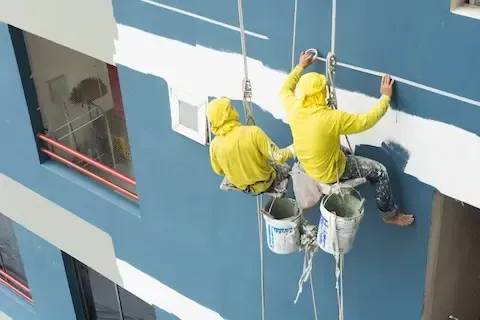
Worker safety regulations require fall protection, respiratory protection, and chemical exposure monitoring on commercial painting projects. OSHA standards apply to all commercial work, and Minnesota OSHA may have additional requirements for specific materials or conditions.
Contractor Selection and Project Management
Professional commercial painting contractors should carry comprehensive insurance including general liability, workers compensation, and professional liability coverage. Minimum coverage amounts vary, but $2 million general liability is typically required for commercial work in Minneapolis. Verify insurance certificates and ensure coverage remains current throughout project duration.
Licensing requirements in Minneapolis include general contractor licenses for projects exceeding certain thresholds. Specialty coating certifications from manufacturers demonstrate technical competency and may provide extended warranty coverage. EPA RRP certification is mandatory for pre-1978 buildings regardless of project size.
References from similar commercial projects provide insight into contractor capabilities and customer satisfaction. Recent projects in Minneapolis demonstrate local experience and familiarity with climate-specific requirements. Commercial references carry more weight than residential testimonials for commercial decision-making.
For more information about related building maintenance requirements, consider reviewing our comprehensive commercial window and door guide which covers complementary building envelope systems.
Project scheduling coordination becomes critical for occupied buildings or businesses with specific operational requirements. Phased application schedules minimize disruption while ensuring continuous protection throughout the process. Clear communication protocols prevent misunderstandings and ensure project success.
