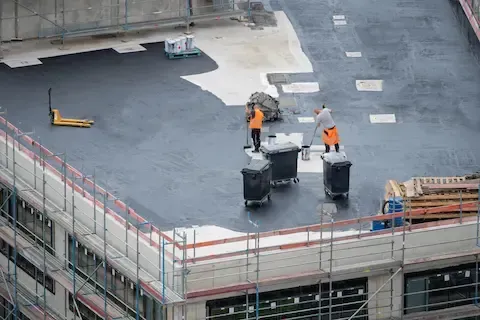
Spring Roof Inspection for Minneapolis Commercial Buildings
After Minneapolis's harsh winter conditions, your commercial roof has endured months of snow loads, ice dams, and freeze-thaw cycles that can compromise its integrity. Spring presents the optimal window for comprehensive roof assessment, allowing you to identify and address winter damage before Minnesota's summer storm season arrives. A systematic inspection approach helps property managers and building owners detect issues early, preventing minor problems from escalating into costly emergency repairs.
Essential Spring Inspection Components
Your spring commercial roof inspection should begin with a thorough examination of the roof membrane surface. Look for punctures, tears, or areas where the membrane has pulled away from flashings or penetrations. Pay particular attention to seams and joints, as these areas experience the most stress during temperature fluctuations. Check for standing water, which indicates drainage problems that can lead to membrane deterioration and structural damage over time.
Inspect all roof penetrations including HVAC units, vents, and electrical conduits. Winter weather often causes sealants to crack or shrink, creating potential leak points. Examine the condition of pipe boots, pitch pans, and other penetration flashings. Professional commercial roofing contractors recommend replacing any sealants that show signs of cracking or separation, as these small issues can quickly become major water infiltration problems. Buildings that carried heavy accumulation through the winter deserve closer attention here, particularly at drift zones against parapets and mechanical screens. If you are unsure what your roof was designed to hold, our breakdown of commercial roof snow load calculations explains how those figures are derived.
Critical Drainage System Assessment
Proper drainage becomes crucial during spring snowmelt and increased precipitation. Clean all drains, scuppers, and gutters of debris that accumulated during winter months. Ice and snow can push leaves, branches, and other materials into drainage systems, causing blockages that lead to ponding water. Test drainage flow by running water through the system and observing how quickly it clears.
Examine downspouts and interior drains for damage or separation. Minnesota's freeze-thaw cycles can cause expansion joints to fail and drain connections to loosen. Check that all overflow drains function properly, as these serve as backup systems during heavy rainfall events common in spring and summer months.
Structural and Safety Considerations
Winter snow loads can stress commercial roof structures beyond their design limits. Look for signs of structural movement including new cracks in parapet walls, separated joints, or changes in roof slope. Document any areas where the roof deck feels spongy or shows visible sagging, as these indicate potential structural compromise requiring immediate professional evaluation.
Safety railings, walkways, and equipment supports need thorough inspection after winter weather exposure. Check that all safety systems remain secure and meet current building codes. Minneapolis commercial buildings must maintain proper fall protection systems, and winter weather can loosen mounting hardware or damage safety equipment.
Common Winter Damage Patterns
Ice dam formation along roof edges creates specific damage patterns that require targeted inspection. Look for membrane damage near roof perimeters where ice backup may have occurred. Check insulation conditions in these areas, as water infiltration often compromises thermal performance and creates conditions for mold growth.
Thermal movement during freeze-thaw cycles commonly causes flashing failures around roof perimeters and penetrations. Examine all metal flashings for fatigue cracks, loose fasteners, or separation from substrates. These issues often develop gradually but can cause significant water damage if left unaddressed through the spring and summer seasons.
Local Minneapolis Climate Factors
Minneapolis's unique climate creates specific challenges for commercial roofing systems. The city's average of 54 inches of annual snowfall combined with temperature swings from below zero to summer highs in the 80s creates extreme thermal cycling. This constant expansion and contraction accelerates material fatigue and joint failures.
Spring in Minneapolis often brings rapid snowmelt combined with heavy rainfall, creating peak drainage demands. Commercial buildings in downtown Minneapolis face additional challenges from urban heat island effects and wind tunneling between tall structures. These factors influence inspection priorities and help determine which building areas require closest attention.
Professional Inspection Requirements
While property managers can perform basic visual inspections, comprehensive spring assessments require professional expertise. Licensed roofing contractors have specialized equipment to safely access all roof areas and detect problems not visible from ground level. They understand local building codes and can identify issues that might not be apparent to untrained observers.
Professional inspections should include infrared scanning to detect moisture infiltration and insulation deficiencies. This technology identifies problems before they become visible, allowing for proactive repairs rather than reactive emergency fixes. Understanding Minneapolis roofing permit requirements ensures any necessary repairs comply with local building regulations and maintain building insurance coverage. Vegetated roof assemblies need a different inspection approach entirely, since growing medium conceals the membrane and leaks are far harder to trace - see our assessment of green roof feasibility for Minneapolis commercial buildings.
Documentation and Maintenance Planning
Comprehensive documentation of your spring inspection creates valuable baseline information for future assessments. Photograph all identified issues with date stamps and location references. This documentation helps track problem progression and supports insurance claims if weather-related damage occurs.
Develop a prioritized repair schedule based on inspection findings. Address immediate safety hazards first, followed by issues that could worsen during spring storm season. Plan major repairs during favorable weather windows, as Minneapolis summers provide optimal conditions for roofing work before winter weather returns.
Regular spring inspections extend commercial roof service life and maintain building value. By identifying and addressing winter damage promptly, you protect your investment and ensure your Minneapolis commercial property remains weathertight through another challenging Minnesota weather cycle.
