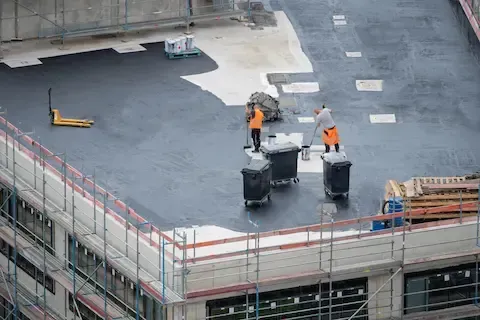
Pre-Winter Commercial Roof Prep Guide Minneapolis MN
Minneapolis winters don't ease into the season. By the time the first hard freeze hits the Twin Cities, temperatures can swing 40 degrees in a single day, and flat commercial roofs take the full force of that thermal shock. Property managers and building owners who skip pre-winter preparation often find themselves dealing with ice dams, membrane splits, and interior water damage in January—when contractors are booked solid and emergency repair costs are at their peak. Getting ahead of this means taking deliberate action in September and October, before conditions make inspection and repair work difficult or impossible.
Why Minneapolis Winters Create Unique Commercial Roof Stress
The Twin Cities sit in a climate zone that delivers some of the most punishing freeze-thaw cycles in the country. Unlike climates that stay consistently cold, Minneapolis routinely experiences temperatures that drop below zero overnight and climb above freezing by afternoon during shoulder months. Each of those transitions puts mechanical stress on roofing membranes, flashings, seams, and penetrations. Water that finds even a pinhole entry point during a November rain can freeze, expand, and turn a minor issue into a major structural problem by February.
Flat and low-slope roofs common across commercial buildings in Minneapolis face a particular challenge: standing water. Any area where drainage is slowed or blocked becomes a holding pond that freezes solid in cold weather. Ice weight loads add up quickly, and when that ice thaws unevenly, it can lift flashings and tear membrane edges away from parapet walls.
Drainage Clearing and Inspection
The single most important pre-winter task is confirming that every drain, scupper, and overflow outlet on the roof is completely clear and functioning. Walk the entire roof surface after a rain if possible. Anywhere you see ponding water 48 hours after a storm is a drainage problem that needs to be corrected before freeze season arrives.
- Clear all interior drains of debris, leaves, and sediment buildup
- Check scuppers along parapet walls for blockages or bird nesting material
- Inspect overflow drains to confirm they are set at the correct height and free of obstruction
- Look for low spots on the membrane surface that collect water even when drains are clear
If your building is in the Warehouse District or Northeast Minneapolis industrial corridor, roof debris accumulates faster due to surrounding tree canopy and seasonal wind patterns. Schedule drainage clearing no later than mid-October.
Membrane and Flashing Condition Assessment
A roof membrane that is in good condition heading into winter will flex with temperature changes. One that is already brittle, cracked, or blistered will not. The weeks before a Minneapolis winter sets in are the last window for cost-effective membrane repairs using standard adhesives and sealants that require adequate temperatures to cure properly.
Focus inspection attention on the areas most likely to have developed problems over the summer:
- Flashings at parapet walls, curbs, and expansion joints
- Around all roof penetrations including HVAC units, pipes, and drains
- Seams and laps in TPO, EPDM, or modified bitumen membranes
- Any areas where foot traffic has caused scuffing or compression damage
If your commercial roofing system was installed more than ten years ago and has never been recoated or had a condition assessment performed, this fall is the right time to get one done before another Minnesota winter adds more cumulative stress.
HVAC and Penetration Sealing
Rooftop mechanical equipment is one of the most common sources of winter water entry. HVAC curbs, exhaust vents, electrical conduit penetrations, and pipe boots all create transitions between the membrane and vertical surfaces. Those transitions are where sealants and counterflashings take the most abuse from thermal movement.
Before winter, confirm that:
- All curb flashings are fully adhered with no lifted edges
- Pipe boots show no cracking at the collar or base seam
- Sealant at termination bars is not separated, cracked, or missing sections
- No standing water is pooling against any curb or mechanical base
Buildings across the Minneapolis CBD and along the I-394 corridor that house multiple rooftop units should plan for a half-day inspection walk just to cover penetrations thoroughly.
Ice Dam Prevention on Commercial Buildings
Ice dams are often discussed in residential roofing, but they create serious problems on commercial buildings too—particularly at parapet walls, low-slope transitions, and areas where warm air escapes from the building interior. When heat loss through the roof deck melts snow, that water runs to colder edges and refreezes, building up ice that backs water under the membrane.
Reducing ice dam risk on a commercial building requires addressing two factors: drainage and insulation. Confirm that your roof insulation is continuous and not compressed or missing in sections, particularly near drains and perimeter edges. If you have had interior ceiling staining near exterior walls in previous winters, that is a direct indicator of ice dam activity that should be investigated before the next freeze cycle.
Reviewing your fall roof inspection checklist before scheduling contractor work ensures you have a comprehensive picture of conditions rather than reacting to individual problems in isolation.
Scheduling Repairs Before the Window Closes
In Minneapolis, most roofing repair work that requires adhesives, sealants, or heat welding needs temperatures consistently above 40°F to be performed correctly. That window typically closes in late October or early November depending on the year. Waiting until you notice an active leak means waiting until spring in most cases, or paying emergency rates for cold-weather work that carries higher risk of installation failure.
Book any identified repairs by early October at the latest. Commercial roofing contractors in the metro area fill up fast as building owners all recognize the same deadline. If your inspection reveals membrane damage, flashing separation, or drainage problems, act on those findings immediately rather than monitoring them through the season.
Documentation for Winter Readiness
Before winter arrives, compile a simple record of your roof's condition. Photograph any areas of concern that were not repaired, note the date of last professional inspection, and confirm that your warranty documentation is current. If a winter weather event causes damage, having pre-season documentation of existing conditions protects you during insurance claims and warranty conversations. For Minneapolis properties carrying roof systems under manufacturer warranty, some warranties require documented annual maintenance to remain valid. Confirm your obligations before the season starts and ensure your records support compliance.
