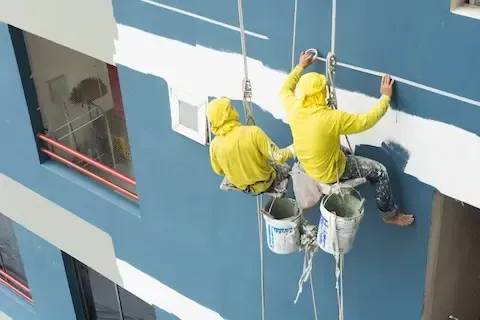
How Often Should You Repaint a Commercial Building MN?
Most commercial buildings in Minneapolis need repainting every 5 to 10 years, but the actual timeline depends on your building material, paint quality, and exposure to Minnesota's harsh freeze-thaw cycles. Brick and stucco may last closer to 10 years with proper preparation, while wood and metal siding often need attention every 5 to 7 years. UV exposure, moisture infiltration, and salt spray from winter roads all accelerate paint breakdown. If you notice peeling, chalking, fading, or cracking, those are signs your building needs repainting sooner regardless of when it was last done.
How Long Does Commercial Exterior Paint Last in Minnesota?
In Minnesota's climate, commercial exterior paint typically lasts between 5 and 10 years depending on surface type and product used. Wood surfaces tend to fail first, often showing wear within 5 to 7 years due to moisture absorption during freeze-thaw cycles. Metal surfaces can hold paint well but are prone to rust and chalking, especially on south-facing facades exposed to intense summer UV. Masonry surfaces like brick, concrete block, and stucco generally hold paint the longest — often 8 to 10 years — provided the surface was properly cleaned and primed before application. Minneapolis's temperature swings from -20°F winters to 90°F summers create thermal expansion and contraction that breaks down paint adhesion faster than in more temperate climates. Choosing a high-quality elastomeric or acrylic paint rated for extreme temperature variation can add years to your repaint cycle. Our commercial exterior painting crews in Minneapolis specify products tested for Midwest freeze-thaw exposure rather than general-purpose exterior paint.
What Factors Shorten the Paint Lifespan on Commercial Buildings?
Several conditions accelerate paint degradation on commercial exteriors in the Twin Cities area. Poor surface preparation is the leading cause of early paint failure — if the substrate wasn't cleaned, patched, or primed correctly before the last paint job, you'll likely see peeling or bubbling within two to three years. Sun exposure is another major factor, particularly on south and west-facing walls that absorb the most UV radiation through the long Minnesota summers. High-traffic areas near loading docks, parking lots, and entry points are also prone to physical abrasion from vehicles and equipment. Moisture intrusion from failing caulk joints or gutters that aren't draining properly can work behind the paint layer and cause large sections to lift. Buildings near highways or heavily salted roads in Minneapolis face additional chemical exposure that breaks down paint coatings prematurely.
What Are the Signs That a Commercial Building Needs Repainting Now?
You don't have to wait for a set number of years if your building is already showing visible deterioration. The clearest warning signs include peeling or flaking paint pulling away from the surface, chalking where you can rub a white or chalky residue off the facade, and visible fading that makes your building look worn or dated. Cracks in the paint film — especially around windows, doors, and sealant joints — indicate the coating has lost flexibility and is no longer protecting the substrate. Staining from rust, mold, or efflorescence (white mineral deposits on masonry) also signals that moisture is getting past the paint layer. If your building in Minneapolis is showing two or more of these signs, scheduling an inspection with a commercial painting contractor is the right next step rather than waiting for your scheduled repaint window.
How Do Minnesota's Winters Affect Repaint Scheduling?
Timing your commercial repaint around Minnesota's weather is critical for paint adhesion and longevity. Exterior painting requires surface temperatures above 50°F and dry conditions, which limits the viable window in the Minneapolis area roughly to late April through October. Spring painting can be complicated by rain and high humidity. Summer offers the most reliable conditions, though heat above 90°F can cause paint to dry too fast and trap bubbles. Early fall is often considered the ideal window — temperatures are stable, humidity drops, and paint cures evenly. Scheduling your repaint well in advance is important because commercial painting crews in the Minneapolis market book quickly through summer. Reading about a summer exterior painting schedule can help you plan the timing of your project effectively.
Does Building Material Change How Often You Need to Repaint?
Yes, significantly. Here is a general guide by material type for commercial buildings in Minnesota:
Wood siding or trim: 5 to 7 years, sometimes less with heavy moisture exposure
Metal panels or siding: 5 to 10 years depending on coating type and rust prevention
Stucco: 7 to 10 years with elastomeric coatings that bridge hairline cracks
Concrete block or brick: 8 to 12 years with proper masonry paint and sealant
EIFS (Exterior Insulation and Finish Systems): 7 to 10 years with compatible coatings
The actual lifespan within these ranges depends on the quality of the coating system, the thoroughness of surface preparation, and how well your building is maintained between paint cycles. Regular caulk replacement, gutter maintenance, and touch-up painting on small areas of damage can extend your repaint cycle by one to two years.
Is There a Maintenance Schedule That Reduces Repaint Frequency?
Yes. Commercial building owners who commit to an annual maintenance inspection tend to stretch their repaint cycle to the longer end of the range. A basic annual program includes inspecting all caulked joints and replacing failed sealant before moisture infiltrates, cleaning the exterior surface to remove mold, mildew, and atmospheric grime, and touching up any small areas of paint damage before they spread. Having a commercial painting contractor walk your building each spring in Minneapolis — after the freeze-thaw season ends — is an efficient way to catch early failures. Investing a small amount annually in preventive maintenance is almost always less expensive than emergency repainting or addressing substrate damage caused by moisture infiltration.
