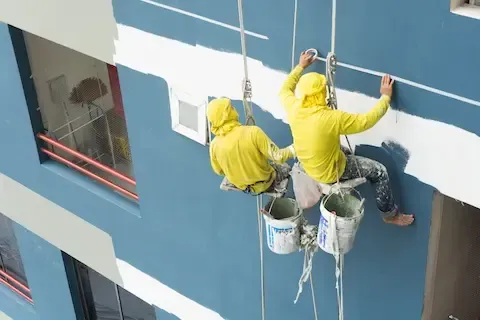
Fall Exterior Painting Window for Minneapolis Buildings
Minneapolis building owners work within one of the tightest seasonal windows in the Midwest when it comes to exterior painting. The city's climate doesn't offer much flexibility. Summers are short, winters arrive hard and early, and the shoulder seasons—spring and fall—often behave unpredictably. For commercial property owners and facility managers, understanding exactly when fall exterior painting is viable can mean the difference between a durable, professional finish and a costly failure that peels before the first freeze.
Why Fall Timing Matters More in Minneapolis
Most quality exterior paints require surface temperatures and air temperatures that stay within a specific range—typically between 50°F and 90°F—for proper application and curing. In Minneapolis, that range gets squeezed quickly once September arrives. Daytime highs may still be comfortable through mid-October, but nighttime temperatures regularly drop below the safe threshold well before the calendar suggests winter has started.
The challenge isn't just cold air. Surface temperature on north-facing walls, shaded facades, and metal substrates can run 10 to 15 degrees colder than the ambient air reading. A 55°F afternoon in late October might feel workable, but a north-facing masonry wall on that same day could be too cold for latex paint adhesion. Moisture from dew and overnight condensation adds another variable that shortens usable morning hours considerably.
The Realistic Fall Window for Exterior Coating Work
In a typical Minneapolis year, the practical fall window for exterior painting runs from approximately late August through mid-October. That's roughly six to eight weeks of reliable conditions, though the actual number of workable days within that stretch varies year to year. Early falls with lingering warmth can push the window toward Halloween. Early cold snaps—which Minnesota delivers more often than forecasters predict—can close it by the first week of October.
The most dependable conditions for painting exterior surfaces in the fall usually occur from Labor Day through the last week of September. Temperatures are more stable, humidity levels are often favorable, and daylight hours still allow full-day production. October work is possible but requires active monitoring of forecasts and surface conditions throughout each day.
What Conditions Must Be Met Before Work Starts
Contractors with experience in the Twin Cities market know to check several factors before beginning a fall project. Air temperature at the time of application matters, but so does the forecast for the following 24 to 48 hours. Paint needs time to cure after application, and a freeze during that window—even a light one—can disrupt the film formation process and cause adhesion failures that show up months later as peeling or flaking.
Surface moisture is another critical checkpoint. Substrates should be dry to the touch and free of dew, frost, or any residual moisture from recent rain. Morning starts on fall projects often get delayed simply because surfaces haven't dried sufficiently after overnight cooling. Experienced crews working in Minneapolis plan their schedules around this and adjust start times accordingly.
Relative humidity also factors in. Paint applied in high-humidity conditions takes longer to dry and is more susceptible to problems during curing. The fall season in Minneapolis can bring humid stretches following weather systems that move through from the west, so project managers need to stay flexible.
Planning Your Fall Project Schedule in Advance
For commercial building owners in Minneapolis, the single biggest scheduling mistake is waiting too long to engage a contractor. The fall exterior painting window is short, and contractors who do quality commercial work in the area fill their schedules quickly in late summer. By the time many building owners start thinking about fall projects in September, the available slots in October may already be limited.
Reviewing your building's coating needs in July or early August positions you to secure a contractor, complete surface preparation assessments, and have materials ordered before the window opens. This matters because preparation work—cleaning, repairs, priming—needs to happen before topcoats go on, and that phase takes time. Rushing preparation to hit a narrow fall window is one of the most common causes of premature coating failure on Minneapolis commercial buildings.
Reading our commercial repainting frequency guide can help you assess whether your building is due for attention this cycle or whether you can schedule work for next spring without risking significant damage through the winter.
Special Considerations for Different Facade Types
Not every exterior substrate behaves the same way in fall conditions. Brick and masonry are especially sensitive to moisture and temperature cycling. Applying a coating to masonry when temperatures are marginal increases the risk of moisture getting trapped beneath the surface, which can lead to spalling and coating failure. These substrates often benefit from being prioritized earlier in the fall window rather than pushed into October.
Metal panels, canopies, and steel components present different challenges. Metal heats and cools faster than masonry or wood, which means surface temperatures swing more dramatically through the day. Afternoon warming on a clear fall day in Minneapolis can bring metal surfaces into a workable range even when morning temperatures were too low. Experienced crews time their sequences around this, painting metal elements during the warmest part of the day while morning hours go to other substrate types.
Wood siding and trim require that moisture content be within an acceptable range before coating. Wood that's been saturated from late summer rains may not be ready even when air conditions look favorable. Checking moisture content with a meter before committing to a coating application is standard practice for quality exterior work in this climate.
When Fall Isn't Possible, What Comes Next
If your building's exterior needs work but the fall window closes before the project can be completed, the decision tree shifts to whether surface protection through the winter is sufficient or whether emergency repairs are needed. In some cases, addressing damaged sections with temporary coatings or sealers can protect vulnerable areas until spring work can begin.
Minneapolis commercial properties that miss the fall window should plan for a spring start as early as conditions allow, typically late April or May depending on the year. Spring brings its own weather variability, but the available working season before summer heat arrives is generally longer than the fall window and offers more scheduling flexibility.
Working with a contractor who understands the specific demands of the Minneapolis climate means your project gets scheduled, sequenced, and executed with these constraints built into the plan—not discovered as problems mid-project.
