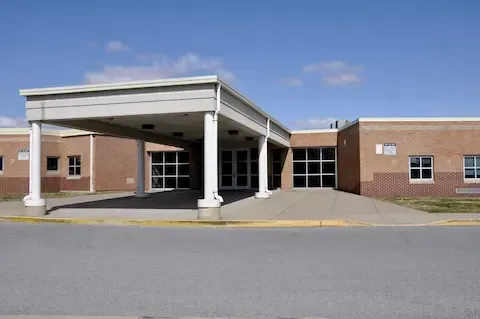
Commercial Canopy Types for Minneapolis Business Entrances
Minneapolis commercial entrances use several canopy types depending on building style, climate demands, and budget. The three primary options are fabric canopies, metal canopies, and glass canopies. Fabric canopies offer flexibility and color variety at lower cost. Metal canopies deliver durability through harsh Minnesota winters. Glass canopies create a premium appearance suited to high-end retail or office buildings. Each type carries different maintenance requirements, load ratings, and installation considerations. Choosing the right type depends on your building's facade material, foot traffic volume, and long-term performance expectations in the Minneapolis climate.
What Types of Commercial Canopies Are Used on Minneapolis Business Entrances?
The three most common commercial canopy types in Minneapolis are fabric, metal, and glass. Fabric canopies use aluminum or steel frames covered with acrylic or polyester canvas. Metal canopies are fully structural, typically fabricated from steel or aluminum with optional soffits and fascia panels. Glass canopies use tempered or laminated glass panels supported by steel brackets or cable systems. A fourth option — polycarbonate canopies — bridges the gap between glass aesthetics and lower cost, and is increasingly seen on Minneapolis retail strips and medical office buildings.
How Do Fabric Canopies Perform in Minneapolis Weather?
Fabric canopies are cost-effective and visually adaptable, but Minneapolis conditions present real challenges. Heavy snow loads can strain improperly pitched fabric installations. Reputable Covered Entrances contractors in the Minneapolis area specify frames engineered for Minnesota's ground snow load requirements — typically 42 to 50 pounds per square foot in Hennepin County. Fabric canopies should be installed with steep pitches or retractable designs that allow snow to shed. Acrylic canvas fabrics resist UV degradation and hold color well through freeze-thaw cycles, but expect to replace the fabric cover every 7 to 12 years depending on sun exposure along your building's orientation.
When Is a Metal Canopy the Right Choice?
Metal canopies are preferred for high-traffic commercial entrances where longevity outweighs initial cost. Steel and aluminum canopies handle Minneapolis snow loads with minimal maintenance concerns compared to fabric. They're common on office towers in downtown Minneapolis, industrial facilities near the I-494 corridor, and healthcare campuses like those in the North Loop and Midtown districts. Metal canopies support integrated gutters, lighting fixtures, and signage panels — making them practical for businesses that need a fully functional entrance system rather than just weather protection. Powder-coated aluminum is the most common specification because it resists Minnesota's road salt environment and requires no repainting.
What Are the Advantages of Glass Canopies for Commercial Buildings?
Glass canopies create an open, premium appearance at a building entrance. They allow natural light to pass through, which matters at Minneapolis properties where winter daylight is limited. Tempered and laminated safety glass panels are required for overhead applications under Minnesota building code, and reputable installers use structural silicone or mechanical clamping systems that account for thermal expansion through temperature swings from negative twenty to ninety degrees Fahrenheit. Glass canopies are most commonly specified for hospitality, upscale retail, and corporate headquarters in areas like the Warehouse District and Nicollet Mall corridor. They carry the highest installation cost of any canopy type.
How Does Polycarbonate Compare to Glass for Minneapolis Entrances?
Polycarbonate canopies offer similar light transmission to glass at significantly lower cost and weight. They're impact resistant — an advantage in hail-prone Minnesota summers — and easier to install over existing entrances without major structural modifications. The trade-off is that polycarbonate scratches more easily than glass and can yellow with prolonged UV exposure, though UV-stabilized grades extend the service life considerably. For budget-conscious Minneapolis businesses that want a modern entrance look without full glass canopy expense, polycarbonate is a practical middle ground. For a broader look at project scope and logistics, review this commercial canopy installation overview before finalizing your choice.
What Should Minneapolis Businesses Consider Before Choosing a Canopy Type?
Several factors narrow the field before a contractor specifies a canopy type:
- Building facade material: Masonry facades in older Minneapolis commercial districts support heavier metal or glass systems. Stucco or EIFS facades require lighter attachment methods.
- Snow load engineering: All canopy types must be engineered to Minnesota Building Code Chapter 1608 requirements. Request stamped drawings from your installer.
- Maintenance capacity: Metal requires least maintenance. Fabric requires periodic cleaning and eventual re-covering. Glass requires routine cleaning to maintain appearance.
- Signage integration: If your business needs illuminated signage on the canopy face, metal and fabric systems accommodate this more readily than glass.
- Budget: Fabric is least expensive upfront. Polycarbonate is mid-range. Metal varies widely by design complexity. Glass carries the highest installed cost.
