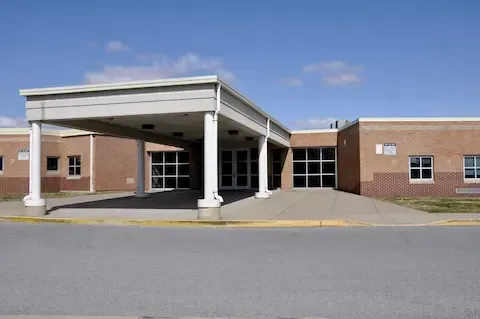
Commercial Canopy Maintenance Guide Minneapolis MN
A commercial canopy is one of the most visible and functional elements of a building's exterior, and in Minneapolis, it works harder than almost anywhere else in the country. Between July heat, autumn wind events, and winters that bring heavy snow loads and freeze-thaw cycles, a canopy installed on a Minneapolis commercial property takes serious punishment over the course of a year. Without consistent maintenance, minor issues like a loose bracket or a small seam gap can become expensive structural failures. This guide walks you through the inspection and upkeep steps that keep commercial canopies performing well across every season.
Why Seasonal Maintenance Is Non-Negotiable in Minneapolis
Minneapolis weather doesn't allow commercial property owners the luxury of ignoring exterior structures. The city averages around 54 inches of snowfall annually, and the freeze-thaw cycle hits hard from late October through early April. Water that works its way into a seam or fastener hole freezes, expands, and gradually forces joints apart. Over multiple winters, this process can compromise the structural integrity of an otherwise well-built canopy frame.
High winds are another local factor. The Twin Cities metro sees frequent gusts in spring and fall, and canopies with fabric or polycarbonate panels can catch wind load in ways that stress mounting hardware. Heat in summer causes metal components to expand, and if fasteners aren't appropriate for the material, you'll see elongated holes and loosened connections by September. A proactive maintenance schedule addresses each of these variables before they compound into something costly.
Spring Inspection: The Most Important Service Window
After winter clears, spring is the time to conduct a thorough inspection before the building sees increased foot traffic. Here's what to look for:
- Frame and mounting hardware: Check all wall anchors, brackets, and welds for signs of rust, cracking, or movement. In Minneapolis, where salt-laden snowmelt runs along building bases, galvanic corrosion on dissimilar metals is a genuine risk.
- Drainage and gutters: Clear any debris from gutters, scuppers, or downspouts. Blocked drainage on a flat-top canopy leads to ponding water, which accelerates membrane deterioration.
- Fabric or membrane panels: Look for tears, fraying at seams, mildew staining, or UV degradation. A panel that survived one more winter may not make it through summer storms without attention.
- Glazing and polycarbonate panels: Inspect for crazing, cracking, or discoloration. Cold-weather brittleness can cause hairline fractures that worsen under summer UV exposure.
- Sealants and caulk: Freeze-thaw cycling degrades caulk quickly. Probe seams around wall connections and where the canopy frame meets the building facade.
Document everything with photos. A written inspection record is useful when budgeting repairs and helps identify recurring problem spots from year to year.
Summer and Fall Upkeep Tasks
Ongoing maintenance during the warmer months is lighter but still important. Fabric canopies benefit from periodic cleaning to prevent mold and mildew buildup, which is a realistic concern during humid Minneapolis summers. A low-pressure rinse with a mild detergent solution is usually sufficient. Avoid pressure washers on fabric panels, as high pressure can force water through protective coatings and damage the weave structure.
In early fall, before the first hard freeze, revisit the sealant inspection you completed in spring. Any new gaps or separations that developed over summer should be addressed before water infiltration begins. This is also the time to tighten any fasteners that may have worked loose during the expansion and contraction of warm months.
Check the condition of commercial canopy types and options appropriate for your structure's design, since material-specific care requirements vary significantly between aluminum-framed glass canopies, steel-framed fabric systems, and extruded polycarbonate panel units. Knowing your canopy type determines which cleaning products and sealants are appropriate and which will cause damage.
Winter Preparation and Snow Load Management
Minneapolis winters demand specific preparation steps for any commercial canopy. Snow accumulation is the primary structural concern. Most commercial canopies installed in the metro area are engineered for local snow loads, but that engineering assumes the snow is being shed or removed within a reasonable timeframe. Wet, heavy snow that packs and refreezes can push loads well beyond design parameters.
- Remove snow promptly: Use a soft-bristle push broom or a plastic roof rake. Never use metal tools on fabric or polycarbonate surfaces.
- Inspect ice dam formation: Where a canopy meets a heated building wall, ice dams can form and direct meltwater behind cladding or into frame connections.
- Protect fabric panels: If your structure has removable fabric panels, consult the manufacturer about off-season storage. Some commercial-grade fabrics are rated for year-round use in Minnesota; others are not.
- Check lighting and electrical components: Integrated lighting, heated elements, or electrical runs in the canopy should be inspected before winter by a qualified electrician. Moisture intrusion into electrical components is both a safety hazard and a source of corrosion.
Common Maintenance Mistakes to Avoid
Property managers sometimes make the mistake of treating canopy maintenance as optional until a visible problem appears. By the time water staining shows on interior surfaces or a panel visibly sags, the underlying issue has usually been developing for months. Reactive maintenance is almost always more expensive than preventive care.
Another common error is using incompatible cleaning products. Solvent-based cleaners can degrade polycarbonate coatings. Bleach-based products can break down fabric waterproofing treatments. Always verify that any cleaning agent is approved for the specific canopy material before applying it to large surfaces.
Skipping the frame inspection in favor of surface-only cleaning is also a frequent oversight. A canopy can look clean and presentable while its mounting hardware is corroding at the wall connection. The cosmetic condition of a canopy is not a reliable indicator of its structural health.
Working With Local Professionals
For Minneapolis commercial properties, annual professional inspections complement the in-house maintenance steps outlined above. A qualified contractor familiar with local building codes and climate conditions can identify issues that aren't visible from the ground and address mounting connections that require proper anchor assessment. Properties in the downtown Minneapolis core or in dense commercial corridors like Uptown and Northeast Minneapolis often have canopies that interact with adjacent structures, signage, or electrical infrastructure in ways that make professional oversight especially valuable.
If your building is due for a canopy inspection or you're evaluating the condition of an existing structure, Covered Entrances services are available to help assess what your property needs and what maintenance or replacement options make sense for your situation.
A Year-Round Commitment
Keeping a commercial canopy in good condition in Minneapolis is a year-round discipline, not a once-over task. Spring inspection, summer cleaning, fall sealing, and winter snow management each address distinct risks specific to the local climate. Following a consistent schedule protects the investment you've made in the structure and ensures it continues to function as a safe, welcoming entrance feature for your building's visitors and tenants.
