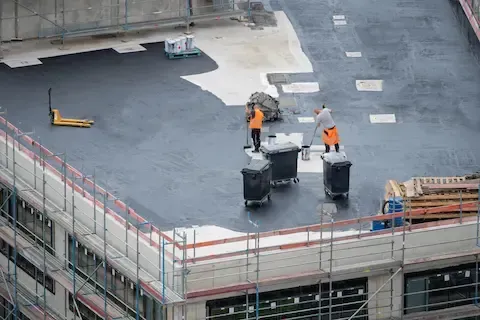
EPDM, TPO & Rubber Commercial Roofing in Minneapolis MN
Commercial buildings in Minneapolis face unique roofing challenges due to the harsh Minnesota climate. With temperature extremes ranging from subzero winters to hot summers, your commercial roofing system must withstand freeze-thaw cycles, heavy snow loads, and intense UV exposure. The right roofing system protects your investment, maintains energy efficiency, and ensures business continuity throughout the year.
Understanding Commercial Roofing System Types
Commercial roofing systems differ significantly from residential options, designed to cover large flat or low-slope areas efficiently. The most common systems include single-ply membranes like TPO and EPDM, built-up roofing, modified bitumen, and metal roofing. Each system offers distinct advantages depending on your building's specific requirements, budget constraints, and long-term maintenance preferences.
TPO (Thermoplastic Polyolefin) roofing has gained popularity in Minneapolis commercial applications due to its energy efficiency and durability. This white reflective membrane reduces cooling costs during summer months while providing excellent resistance to punctures and tears. TPO systems typically last 15-20 years with proper installation and maintenance, making them cost-effective for many commercial properties.
EPDM (Ethylene Propylene Diene Monomer) rubber roofing remains a reliable choice for commercial buildings throughout Minnesota. This black membrane offers superior flexibility in cold temperatures, crucial for Minneapolis winters when materials become brittle. EPDM systems resist ozone and UV radiation while providing excellent waterproofing performance for decades.
Climate-Specific Considerations for Minneapolis
Minneapolis commercial roofing systems must address specific climate challenges that affect performance and longevity. The city experiences an average of 54 inches of snowfall annually, creating substantial roof loads that require careful structural analysis. Temperature fluctuations between seasons cause expansion and contraction cycles that stress roofing materials and seam connections.
Ice dam formation presents another significant concern for commercial properties. When snow melts and refreezes at roof edges, it can cause water backup under roofing materials. Proper insulation, ventilation, and drainage design prevent ice dam formation and protect your roofing system investment.
Wind resistance becomes critical during severe weather events common in the Minneapolis area. Commercial roofing systems must meet or exceed local building codes for wind uplift resistance, typically requiring enhanced attachment methods and reinforced membrane specifications. Professional installation ensures your system meets these performance requirements.
Flat Roof System Options and Performance
Flat roofing dominates Minneapolis commercial architecture, requiring specialized systems designed for low-slope applications. These roofs rely on membrane waterproofing rather than gravity drainage, making material selection and installation quality absolutely critical for long-term performance.
Built-up roofing (BUR) systems use multiple layers of bitumen and reinforcing fabrics to create a redundant waterproof barrier. While heavier than single-ply alternatives, BUR systems offer excellent durability and proven performance in harsh climates. The multiple-layer construction provides backup protection if the top layer experiences damage.
Modified bitumen systems combine the proven performance of asphalt with polymer modifiers for enhanced flexibility and durability. These systems can be torch-applied, cold-adhesive applied, or self-adhering, depending on building requirements and safety considerations. Modified bitumen works particularly well for roofs with multiple penetrations or complex configurations.
Single-ply membrane systems offer lighter weight and faster installation compared to multi-layer alternatives. Beyond TPO and EPDM, PVC membranes provide excellent chemical resistance and welded seam strength. PVC systems cost more initially but offer superior performance in environments with grease, chemicals, or heavy foot traffic.
Energy Efficiency and Cool Roofing Solutions
Energy efficiency considerations significantly impact commercial roofing decisions in Minneapolis. Cool roofing systems reflect solar heat rather than absorbing it, reducing cooling costs during summer months. Light-colored TPO and PVC membranes achieve high solar reflectance values, qualifying for energy rebates and LEED certification points.
Proper insulation installation beneath the roofing membrane improves both energy efficiency and system performance. Rigid foam insulation boards provide continuous thermal barriers while maintaining structural integrity under roof loads. Tapered insulation systems create positive drainage toward roof drains, preventing ponding water that reduces membrane lifespan.
Green roofing systems represent an advanced option for sustainable commercial buildings. These systems incorporate growing medium and vegetation over waterproof membranes, providing excellent insulation, stormwater management, and urban heat island reduction. However, green roofs require specialized design, structural analysis, and ongoing maintenance expertise.
Drainage and Waterproofing Fundamentals
Effective drainage design forms the foundation of successful commercial roofing systems. Minneapolis buildings must handle heavy rain, rapid snowmelt, and ice formation without allowing water infiltration. Primary roof drains, secondary overflow drains, and properly sloped surfaces ensure water moves quickly off the roof surface.
Ponding water creates the most common cause of premature commercial roof failure. Any area that holds water for more than 48 hours after rainfall indicates inadequate drainage that requires correction. Ponding water accelerates membrane deterioration, promotes vegetation growth, and increases structural loads during freeze-thaw cycles.
Scupper drains and roof edge details require careful attention in Minneapolis climate conditions. Ice formation can block drainage outlets, causing water backup and potential structural damage. Heated scuppers or internal drainage systems prevent ice blockage in critical areas.
Installation Quality and Contractor Selection
Professional installation quality determines commercial roofing system performance more than any other factor. Minneapolis commercial roofing contractors must understand local climate challenges, building codes, and proper installation techniques for each system type. Manufacturer training and certification ensure installers follow proven methods that maximize system lifespan.
Membrane attachment methods vary by system type and building requirements. Mechanically attached systems use screws and plates through the membrane into the deck structure. Fully adhered systems bond the membrane to substrate using adhesives. Ballasted systems hold membranes in place with stone or pavers, suitable for protected membrane installations.
Quality control during installation includes proper surface preparation, seam welding or sealing, and penetration flashing details. Professional contractors document installation progress, conduct seam testing, and provide comprehensive warranties covering both materials and workmanship. This documentation proves valuable for future maintenance and warranty claims.
Maintenance Requirements and Lifecycle Management
Preventive maintenance extends commercial roofing system lifespan significantly, particularly important given Minneapolis weather extremes. Regular inspections identify minor issues before they become major problems, saving substantial repair costs and preventing business disruption from leaks or structural damage.
Seasonal maintenance tasks include removing debris from drains and gutters, inspecting membrane surfaces for damage, and checking penetration flashings for separation or deterioration. Spring inspections after winter weather help identify ice damage or thermal stress issues that require immediate attention.
Professional maintenance programs typically include bi-annual inspections, immediate repair of identified issues, and detailed documentation of roof condition over time. This proactive approach maximizes your roofing investment while maintaining building protection throughout the system's designed lifespan.
When selecting a commercial roofing system for your Minneapolis property, consider both immediate needs and long-term performance requirements. Professional evaluation of your building's structural capacity, drainage requirements, and energy goals ensures the selected system provides optimal protection and value. Working with experienced local contractors familiar with Minneapolis climate challenges, building requirements and commercial roof repair costs in Minneapolis guarantees proper installation and ongoing performance throughout the system's lifespan.
