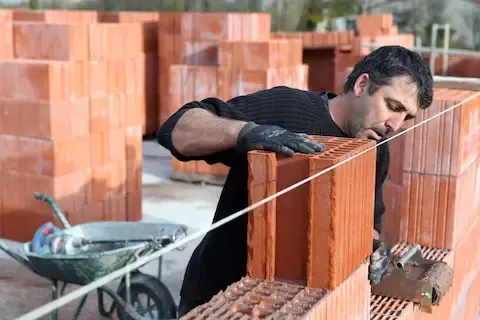
Commercial Masonry Repair and Installation Minneapolis
Commercial masonry forms the backbone of Minneapolis's architectural landscape, from the historic brick warehouses in the North Loop to modern mixed-use developments across the metro area. Understanding your options for repair and installation ensures your commercial property maintains its structural integrity and visual appeal while meeting Minnesota's demanding weather requirements.
Types of Commercial Masonry Services
Commercial masonry encompasses several specialized services, each addressing different aspects of your building's exterior envelope. Brick repair and restoration work focuses on preserving existing masonry while addressing issues like mortar deterioration, spalling, and structural movement. Stone installation services include natural stone veneer application, limestone restoration, and granite accent work that enhances both durability and aesthetic value.
Concrete masonry unit (CMU) installation provides cost-effective structural solutions for new construction and additions. These versatile blocks offer excellent thermal performance and can be finished with various textures and colors to match your design specifications. Tuckpointing represents one of the most critical maintenance services, involving the removal and replacement of deteriorated mortar joints to prevent water infiltration and structural damage.
Specialty services include chimney repair and reconstruction, parapet wall restoration, and historic masonry preservation that maintains the character of older Minneapolis buildings while meeting current building codes. Each service requires specific expertise and materials suited to Minneapolis's freeze-thaw cycles and moisture challenges.
Common Masonry Problems in Minneapolis Commercial Buildings
Minneapolis's harsh winter conditions create unique challenges for commercial masonry systems. Freeze-thaw cycling causes water trapped in masonry materials to expand and contract repeatedly, leading to spalling, cracking, and mortar joint failure. This process accelerates when buildings lack proper drainage or have inadequate moisture barriers.
Efflorescence appears as white, chalky deposits on masonry surfaces, indicating water movement through the wall system. While primarily cosmetic, efflorescence signals potential moisture problems that require attention before they cause structural damage. Settlement cracks often develop in older buildings as foundations shift over time, requiring professional evaluation to determine if structural reinforcement is necessary.
Mortar joint deterioration ranks among the most common issues, particularly in buildings constructed with softer lime-based mortars. When mortar becomes softer than the masonry units, it sacrificially protects the more expensive brick or stone elements. However, deteriorated mortar allows water penetration that can cause more extensive damage if left unaddressed.
Parapet walls face additional stress from wind loading and thermal movement, making them particularly susceptible to cracking and water infiltration. Regular inspection and maintenance of these exposed elements prevents costly emergency repairs and potential liability issues from falling masonry debris.
Property managers scoping commercial brick repair and tuckpointing should factor in freeze-thaw exposure, building age, and the condition of surrounding mortar joints before deciding between spot repair and wall-scale restoration.
Masonry Installation Techniques and Materials
Modern commercial masonry installation incorporates advanced techniques and materials designed to withstand Minneapolis's climate challenges. Cavity wall systems provide superior thermal performance and moisture management compared to solid masonry construction. These systems include an outer wythe of brick or stone, an insulated cavity, and an inner structural backup wall, typically CMU or steel frame construction.
Proper flashing installation plays a crucial role in preventing water infiltration. Through-wall flashing at shelf angles, window heads, and other wall penetrations directs moisture out of the wall system. Weep holes at regular intervals allow trapped moisture to escape, preventing freeze damage and interior water problems.
Material selection significantly impacts long-term performance. Brick selection considers factors like absorption rates, freeze-thaw resistance, and thermal expansion characteristics. Natural stone requires evaluation of porosity, mineral composition, and weathering resistance. Mortar specification must balance adhesion, permeability, and thermal compatibility with the masonry units.
Quality control during installation includes proper mixing procedures, joint tooling techniques, and curing practices. Mortar joints must be completely filled and properly tooled to shed water effectively. Temperature and weather conditions during installation affect mortar curing and long-term bond strength, requiring special procedures during Minneapolis's extreme weather periods.
Repair Methodologies and Best Practices
Successful masonry repair begins with thorough condition assessment and identification of underlying causes of freeze-thaw masonry damage. Visual inspection, probing, and sometimes destructive testing determine the extent of damage and appropriate repair strategies. Matching existing materials requires careful analysis of original brick, stone, and mortar characteristics to ensure compatibility and appearance.
Tuckpointing procedures involve carefully removing deteriorated mortar to a depth of at least twice the joint width without damaging adjacent masonry units. New mortar must match the original in strength, permeability, and thermal expansion properties. Mortar that's too hard can cause masonry units to crack under stress, while mortar that's too soft may not provide adequate weather protection.
Structural repairs may require temporary support systems while work progresses. Structural repair and reinforcement guide principles apply when masonry damage affects building stability. Steel reinforcement, helical anchors, or carbon fiber strengthening systems can restore structural capacity while preserving historic character.
Water damage remediation involves identifying and eliminating moisture sources before repair work begins. This may include improving drainage, installing or repairing flashing systems, and addressing interior condensation issues. Repairs performed without addressing underlying moisture problems typically fail prematurely. Concrete elements on the same building fail through a related mechanism and are frequently addressed in the same scope, which our guide to concrete repair and restoration for Minneapolis commercial exteriors covers in detail.
Professional Installation Standards and Code Requirements
Minneapolis commercial masonry work must comply with International Building Code requirements and local amendments. These codes specify minimum wall thickness, reinforcement requirements, and seismic design considerations. Fire resistance ratings for different wall assemblies determine appropriate materials and construction methods for various occupancy types.
Professional installation requires proper licensing and insurance coverage. Contractors must demonstrate competency in material handling, safety procedures, and quality control measures. Bonding requirements protect property owners from contractor default or warranty issues.
Quality assurance programs include material testing, installation inspection, and documentation of work performed. Mortar testing verifies strength and consistency, while installation inspection ensures proper joint filling, flashing integration, and dimensional accuracy. Photography and written records provide valuable documentation for future maintenance and warranty purposes.
Environmental considerations include dust control, waste management, and protection of adjacent properties during demolition and construction activities. Lead paint and asbestos considerations may apply to renovation projects involving older buildings, requiring specialized handling and disposal procedures.
Cost Factors and Project Planning
Commercial masonry project costs vary significantly based on accessibility, material selection, and complexity of repair or installation work. High-elevation work requiring scaffolding or specialized equipment increases labor costs substantially. Historic preservation projects typically cost more due to specialized materials and techniques required to maintain authenticity.
Material costs fluctuate based on availability and transportation expenses. Local materials often provide cost advantages while ensuring better climate compatibility. Custom brick or stone matching for historic buildings commands premium pricing but may be necessary for code compliance or historic preservation requirements.
Project scheduling must account for weather limitations and material curing requirements. Cold weather protection adds costs but allows winter work to proceed when necessary. Hot weather procedures may be required during summer months to ensure proper mortar curing and prevent rapid moisture loss.
Professional masonry contractors provide detailed estimates based on field measurements and condition assessments. These estimates should include all necessary permits, materials, labor, and cleanup costs. Value engineering discussions help property owners balance budget constraints with long-term performance requirements.
Maintenance and Long-term Care Strategies
Preventive maintenance significantly extends commercial masonry service life while reducing long-term costs. Regular inspection schedules identify problems early when repairs are less expensive and disruptive. Annual inspections should focus on mortar joint condition, flashing integrity, and drainage system performance.
Cleaning programs remove atmospheric soiling and biological growth that can accelerate masonry deterioration. Appropriate cleaning methods depend on masonry type and degree of soiling. Chemical cleaning, pressure washing, and mechanical methods each have specific applications and limitations that require professional evaluation.
Sealant and caulk maintenance at window and door openings prevents water infiltration that can cause extensive damage. These materials typically require replacement every five to ten years depending on exposure conditions and material quality. Regular maintenance of expansion joints and control joints prevents uncontrolled cracking.
Documentation systems track maintenance activities, warranty information, and performance history. This information proves valuable for budgeting future work and identifying recurring problems that may indicate systematic issues requiring comprehensive solutions.
