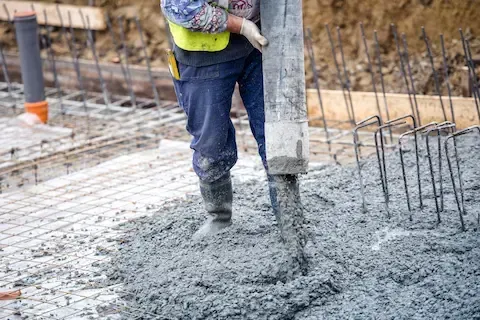
Commercial Concrete Flatwork Services Minneapolis MN
Commercial concrete flatwork in Minneapolis faces unique challenges that property managers and business owners must understand to maintain safe, functional surfaces. Minnesota's harsh winter climate, with temperatures frequently dropping below zero and spring thaw cycles, creates significant stress on concrete structures. Proper installation, maintenance, and timely repairs are essential for protecting your investment and ensuring compliance with safety standards.
Understanding Commercial Concrete Flatwork Applications
Commercial concrete flatwork encompasses all horizontal concrete surfaces that serve as foundations for business operations. These surfaces include sidewalks, driveways, loading docks, warehouse floors, parking lots, and pedestrian walkways. In Minneapolis commercial properties, these installations must withstand heavy vehicle traffic, pedestrian use, and extreme weather conditions throughout the year.
The specifications for commercial flatwork differ significantly from residential applications. Commercial installations typically require thicker concrete pours, higher PSI ratings, and specialized reinforcement to handle increased load requirements. Most commercial projects in Minneapolis require concrete with a minimum compressive strength of 4,000 PSI, though heavy industrial applications may require 5,000 PSI or higher.
Property managers should understand that proper concrete flatwork installation involves multiple layers beyond the visible surface. The subgrade preparation, base materials, vapor barriers, and reinforcement all contribute to the long-term performance of your concrete surfaces. Professional concrete services ensure each layer meets local building codes and industry standards.
Minneapolis Climate Considerations for Concrete Performance
Minneapolis concrete faces extreme temperature fluctuations that create expansion and contraction cycles throughout the year. Winter temperatures can drop to -20°F or lower, while summer temperatures may reach 90°F or higher. This temperature range creates significant stress on concrete structures, leading to cracking, spalling, and surface deterioration if not properly addressed during installation.
The freeze-thaw cycle presents the greatest challenge for Minneapolis commercial concrete. Water penetration into concrete pores freezes and expands, creating internal pressure that can crack and damage the surface. This process repeats dozens of times each winter, accelerating concrete deterioration. Proper air entrainment during mixing and adequate curing time help concrete withstand these cycles.
Snow removal operations also impact concrete performance. Salt and chemical deicers used on commercial properties can accelerate concrete deterioration through chemical reactions. The mechanical stress from snow plows and heavy equipment during removal operations can chip and damage concrete edges. Property managers should specify concrete mixes and surface treatments that resist both chemical and mechanical damage.
Spring thaw creates additional challenges as groundwater levels rise and soil conditions become unstable. Proper drainage systems and subgrade preparation prevent water accumulation under concrete slabs, which can lead to settling, cracking, and structural failure.
Installation Specifications and Best Practices
Successful commercial concrete flatwork begins with proper site preparation and excavation. The subgrade must be properly compacted and graded to ensure uniform support across the entire concrete surface. Minneapolis clay soils require special attention, as clay expansion and contraction can create uneven support conditions.
Base material selection depends on the intended use and local soil conditions. Most commercial installations require 4-6 inches of properly compacted gravel base to provide drainage and prevent frost heaving. The base material should be free of organic matter and properly graded to specification.
Reinforcement requirements vary based on the application and expected loads. Light commercial applications may require only wire mesh reinforcement, while heavy-duty installations need rebar grid systems. Control joints must be properly spaced and cut to prevent random cracking. Most commercial installations require control joints every 12-15 feet, though heavy-duty applications may need closer spacing.
Concrete mixing and placement must account for Minneapolis weather conditions. Cold weather installations require heated aggregates and may need concrete blankets to ensure proper curing. Hot weather installations need special precautions to prevent rapid moisture loss and ensure adequate hydration.
Surface finishing options range from basic float finishes for utility areas to specialized treatments for high-traffic zones. Broom finishes provide slip resistance for pedestrian areas, while troweled surfaces offer easier cleaning for industrial applications. Some commercial properties benefit from integral color or surface hardeners that improve durability and appearance.
Common Problems and Prevention Strategies
Cracking represents the most common issue with commercial concrete flatwork in Minneapolis. Random cracks often result from inadequate control joint spacing, poor subgrade preparation, or improper curing. Settlement cracks indicate foundation problems that require immediate attention to prevent further damage.
Spalling occurs when concrete surface layers separate and flake away, typically due to freeze-thaw cycles or chemical damage from deicing salts. Prevention involves proper air entrainment during mixing and sealing concrete surfaces to prevent water penetration. Regular maintenance and resealing help extend concrete life and prevent costly repairs.
Joint failure frequently occurs at expansion and control joints when sealant materials deteriorate or joints become misaligned. Proper joint design and regular sealant replacement prevent water infiltration and structural damage. Most commercial properties should inspect and maintain joint sealants annually.
Surface scaling creates rough, deteriorated concrete surfaces that collect debris and become difficult to clean. This problem often results from using deicing salts on new concrete before it has fully cured. Property managers should avoid salt application on concrete less than one year old and use alternative deicing methods when possible.
Understanding these common issues helps property managers develop preventive maintenance programs that extend concrete life and reduce long-term costs. Regular inspections and prompt repairs prevent minor problems from becoming major structural issues.
Maintenance Requirements and Scheduling
Commercial concrete flatwork requires regular maintenance to ensure optimal performance and longevity. Annual inspections should identify cracks, joint problems, surface wear, and drainage issues before they become serious problems. Spring inspections are particularly important after winter freeze-thaw cycles have stressed concrete surfaces.
Cleaning schedules depend on the specific use and traffic patterns. High-traffic areas may require weekly cleaning, while utility areas might need only monthly attention. Power washing removes dirt, debris, and staining but should be done carefully to avoid damage to concrete surfaces or joint sealants.
Crack sealing should be performed promptly when cracks appear. Small cracks can be sealed with appropriate concrete crack fillers, while larger structural cracks may require professional repair. Delaying crack repairs allows water penetration that accelerates deterioration and increases repair costs.
Joint sealant replacement typically occurs every 3-5 years, depending on weather exposure and traffic conditions. Failed joint sealants allow water infiltration that can undermine concrete structural integrity. Property managers should budget for regular joint maintenance as part of overall concrete care.
For guidance on comprehensive maintenance approaches, property managers can reference information about commercial masonry installation overview for coordinated exterior maintenance strategies. Where deterioration has already progressed past surface maintenance, the decision shifts to repair versus replacement, and our guide to commercial concrete repair and restoration in Minneapolis walks through how that call gets made.
Repair Options and Techniques
Minor concrete repairs can address surface issues before they require complete replacement. Crack injection using polyurethane or epoxy materials effectively seals structural cracks and prevents water infiltration. Surface patching with polymer-modified concrete can restore appearance and function to spalled or damaged areas.
Overlays provide an economical solution for worn concrete surfaces that retain structural integrity. Concrete overlays can be stamped, colored, or textured to improve appearance while extending surface life. Properly installed overlays can add 15-20 years to existing concrete flatwork.
Partial replacement may be necessary when concrete sections have failed but surrounding areas remain sound. Saw cutting and removal of damaged sections allows targeted repairs without disturbing functional concrete. Matching existing concrete specifications ensures uniform performance across repaired areas.
Complete replacement becomes necessary when concrete has extensive cracking, settlement, or structural failure. Full replacement allows upgrading to current building codes and incorporating improved materials and techniques. Modern concrete mixes and installation methods often provide better performance than older installations.
Professional Service Considerations
Commercial concrete projects require experienced contractors familiar with Minneapolis building codes, soil conditions, and climate challenges. Proper contractor selection involves verifying licensing, insurance, and experience with similar commercial projects. References from other Minneapolis commercial properties provide valuable insight into contractor performance and reliability.
Project scheduling must account for weather conditions and business operations. Most commercial concrete work should be scheduled during moderate weather conditions when curing can proceed normally. Some projects may require night or weekend scheduling to minimize disruption to business operations.
Quality control measures include testing concrete strength, monitoring curing conditions, and documenting installation procedures. Proper documentation provides warranty protection and helps plan future maintenance activities. Commercial projects should include material certifications and testing reports for future reference.
Working with qualified professionals ensures your commercial concrete flatwork meets performance expectations and provides long-term value. Proper installation and maintenance protect your property investment while ensuring safe conditions for employees and customers.
